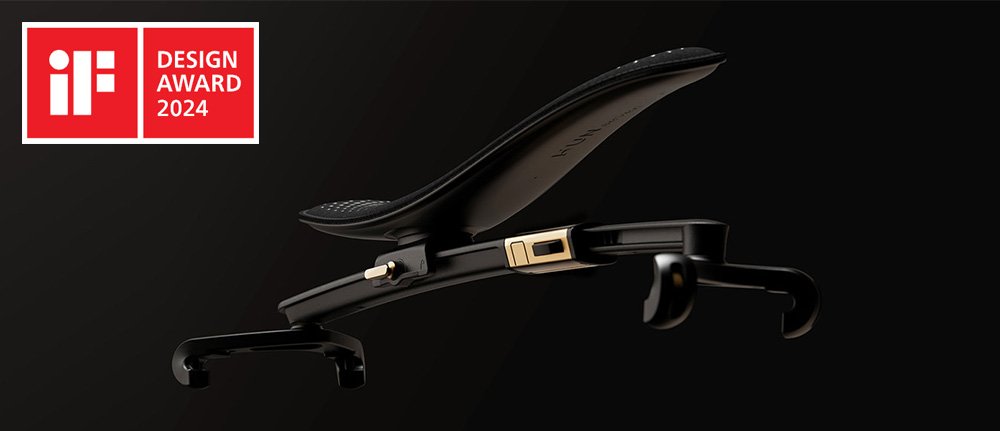
How to Fit Your Violin Shoulder Rest

Finding the right fit for your violin shoulder rest is essential for comfort, posture, and performance. Whether you’re a beginner or a seasoned player, understanding how to properly adjust your shoulder rest can make a significant difference in your playing experience.

Understanding the Importance of a Shoulder Rest

A shoulder rest serves several key functions:

  • Comfort: Reduces strain on your shoulder and neck.
  • Stability: Helps secure the violin in place, allowing for better control.
  • Posture: Encourages proper alignment, reducing the risk of injury.

Without a properly fitted shoulder rest, you may experience discomfort, fatigue, or even long-term musculoskeletal issues.

Key Features to Consider

When choosing and adjusting a shoulder rest, consider the following features:

  • Height Adjustment: Allows you to align the violin with your jaw comfortably.
  • Width Adjustment: Ensures the rest fits snugly against your shoulder.
  • Material: Affects comfort and grip.
  • Leg Flexibility: Provides angle adjustments for optimal positioning.

Step-by-Step Guide to Fitting Your Shoulder Rest

1. Choose the Right Shoulder Rest

Among the top brands are Maestro, Wolf, and Kun, each offering unique features:

2. Attach the Shoulder Rest to Your Violin

To attach your shoulder rest:

  1. Place the violin on your lap with the back facing you.
  2. Slide the shoulder rest onto the lower bout of the violin until it reaches the desired position.
  3. Ensure the feet are securely in contact with the instrument’s surface.

For detailed instructions, refer to the manufacturer’s guidelines or instructional videos.

3. Adjust the Height

Adjust the height so that the violin rests comfortably under your chin:

  • Use the height adjustment mechanism to raise or lower the shoulder rest.
  • Ensure your chin can rest comfortably on the chin rest without straining your neck.

4. Adjust the Width

The width should allow the shoulder rest to fit snugly against your shoulder:

  • Use the width adjustment feature to expand or contract the shoulder rest.
  • Position the rest so that it provides adequate support without causing discomfort.

5. Fine-Tune the Angle

The angle of the shoulder rest can affect your posture and comfort:

  • Adjust the angle by modifying the leg positions.
  • Ensure the violin is held at a comfortable angle that allows for relaxed playing.

Tips for Optimal Comfort

  • Regularly Check Adjustments: As you practice, your body may change positions; periodically reassess the fit.
  • Use a Mirror: Check your posture in a mirror to ensure proper alignment.
  • Consult a Teacher: If possible, seek guidance from a violin teacher to ensure correct setup.

By carefully selecting and adjusting your shoulder rest, you can enhance your playing experience, ensuring comfort and stability. Remember, a well-fitted shoulder rest is an investment in your musical journey.

FAQ

How do I know if my shoulder rest is properly fitted?

A properly fitted shoulder rest should allow you to hold the violin comfortably without strain. Your chin should rest naturally on the chin rest, and your shoulder should not feel tense.

Can I use a shoulder rest with any violin?

Most shoulder rests are designed to fit standard violin sizes. However, it’s essential to check the manufacturer’s specifications to ensure compatibility with your instrument.

How often should I adjust my shoulder rest?

Adjust your shoulder rest whenever you feel discomfort or notice changes in your posture. Regular adjustments can help maintain comfort during practice sessions.

Are there shoulder rests designed for specific body types?

Yes, some shoulder rests are designed with specific features to accommodate different body types, such as adjustable width and height to suit various shoulder and neck sizes.

How can I maintain my shoulder rest?

Regularly clean your shoulder rest with a soft cloth to remove dust and oils. Check for any loose screws or parts and tighten them as needed.


How to Choose the Best Rosin

Rosin: History, Uses, and How to Choose the Right One

When you pick up your violin and draw the bow across the strings, you’re relying on more than just technique and tonewood. The secret ingredient that makes it all possible is violin rosin: a sticky, amber-hued compound that plays a crucial role in sound production.

In this guide, we’ll explore the history of rosin, how it’s made, its role in violin playing, the differences between light and dark rosin, and how to choose the best rosin for your needs.

What Is Violin Rosin and Why Is It Essential?

Rosin is a solidified form of tree resin, typically sourced from pine trees. When applied to the horsehair of a violin bow, it creates friction between the bow and the strings, allowing the bow to grip the strings and produce sound. Without rosin, the bow would simply slide over the strings without generating the desired vibrations.

A Brief History of Violin Rosin

The use of rosin dates back centuries. Early stringed instrument players discovered that applying tree resin to their bow hairs improved their ability to produce sound. Over time, this practice evolved, and rosin became a standard accessory for string musicians.

How Is Violin Rosin Made?

The production of violin rosin involves several steps:

  • Harvesting Resin: Natural resin is collected from pine trees.
  • Purification: The resin is purified to remove impurities.
  • Heating: The purified resin is heated to a specific temperature.
  • Molding: The molten rosin is poured into molds and allowed to cool and solidify.
  • Optional Additives: Some manufacturers add substances like beeswax or metals to modify the rosin’s properties.

How Is Rosin Used with Violins and Violin Bows?

To use rosin, apply it evenly to the bow hair by drawing the bow across the rosin cake several times. The amount of rosin applied depends on the player’s technique and the environment. Regular application ensures consistent sound production and prevents the bow from slipping on the strings.

Light vs. Dark Rosin: Which Is Right for You?

The primary difference between light and dark rosin lies in their composition and the conditions they are best suited for:

  • Light Rosin: Harder and less sticky, light rosin is ideal for warmer climates and higher-pitched instruments like the violin. It produces a bright tone and is less prone to build-up.
  • Dark Rosin: Softer and stickier, dark rosin is better suited for cooler, drier climates and lower-pitched instruments like the cello. It provides a warmer tone and better grip.

Choosing the Best Rosin for Your Needs

Selecting the right rosin depends on several factors:

  • Climate: Consider the temperature and humidity of your environment.
  • Instrument: The type of instrument (violin, viola, cello) affects the choice of rosin.
  • Playing Style: Your technique and the type of music you play can influence your rosin choice.
  • Personal Preference: Experimenting with different rosins can help you find the one that best suits your needs.

Recommended Rosin Brands

Several reputable brands offer high-quality violin rosin:

  • Melos Rosin: Known for its consistent quality and smooth application.
  • Hidersine Rosin: Offers a range of rosins suitable for different instruments and climates.
  • Geipel Rosin: Renowned for its rich tone and excellent grip.
  • Paganini Rosin: Provides rosins that cater to both beginners and professionals.
  • Nyman Rosin: Offers rosins with unique formulations for specific playing styles.
  • Larica Rosin: Known for its high-quality ingredients and craftsmanship.

Selecting the right rosin is crucial for achieving the best sound from your violin. By considering factors like climate, instrument type, and personal preference, you can choose a rosin that enhances your playing experience. Experimenting with different brands and types will help you find the perfect match for your needs.


FAQ

How often should I apply rosin to my bow?
Apply rosin to your bow whenever you notice a decrease in sound quality or when the bow feels slippery on the strings.

Can I use violin rosin on my cello?
While some rosins are suitable for multiple instruments, it’s best to use rosin specifically designed for each instrument to achieve optimal sound quality.

How do I store my rosin?
Store rosin in a cool, dry place away from direct sunlight to prevent it from becoming too soft or hard.

Can I make my own rosin?
While it’s possible to make rosin at home, purchasing commercially produced rosin ensures consistent quality and performance.

How can I tell if my rosin is of good quality?
High-quality rosin should apply smoothly to the bow hair, produce a clear tone, and not leave excessive residue on the strings.

Best Student Violin Strings Guide

A Parent’s Guide to Clarendon Silver, Clarendon Gold, Opal Titan and Pirastro Piranito

Choosing violin strings for a beginner can feel confusing. This guide explains what matters for school students and compares four proven options that cover the full journey from first notes to confident early grades. Learn about tone, response, tuning stability, durability and size availability so you can match strings to your child’s needs.

Quick answer for busy parents

If you want the simplest, durable starter set for a first violin, consider Clarendon Silver or Pirastro Piranito. Both use steel cores that are stable and easy to tune for beginners.

If your child is sensitive to a bright sound and would like a warmer, more flexible feel under the bow, look at Clarendon Gold or Opal Titan. These use synthetic cores that many students find more comfortable as technique develops.


What to know before you choose

Core types affect feel and sound

Steel core strings are generally bright, quick to speak and very stable in pitch, which is helpful for beginners and school use. Synthetic core strings aim for a warmer, more complex tone and a slightly softer feel that many students enjoy after the basics are in place.

Match the string size to the violin size

Buy fractional sizes that match the instrument, such as 1/8, 1/4, 1/2, 3/4 or 4/4. This preserves playability and intonation for young players.


Clarendon Silver: straightforward, durable and student friendly

What it is
A student violin set built around a steel on steel rope core. This construction supports stable tuning, clear projection and strong durability for daily school practice. Available in fractional sizes from 1/8 to 4/4.

Key features for parents

  • Steel rope core helps strings last well under regular practice schedules.
  • Designed as an easy choice for first violins in school programs.

Best fit
Great for brand new players who need reliable tuning and a clear sound to build confidence.


Clarendon Gold: student synthetic set with a warmer voice

What it is
A student set that combines a steel E with a synthetic core A, D and G, using aluminium winding for A and D and silver winding for G. Offered in sizes from 1/8 to 4/4.

Key features for parents

  • Synthetic core on A, D and G can feel more forgiving under the bow for developing technique.
  • Balanced, student friendly tone that avoids harshness while keeping clarity for ensemble playing.

Best fit
Ideal when a child wants a step up from basic steel feel toward a rounder, more comfortable sound without complicating setup.


Opal Titan: refined synthetic core for advancing students

What it is
Handmade synthetic core strings designed to aim for a rich, powerful tone with a wide colour range. The E is available as a steel option with composite titanium winding.

Key features for parents

  • Designed for precision and consistency so students can explore dynamics and tone colours as skills grow.
  • Suited to progressing learners who are playing with a more controlled bow arm and want warmth without losing brilliance.

Best fit
A thoughtful choice for students who have moved beyond their very first set and want more expressive range.


Pirastro Piranito: bright, responsive and easy to tune

What it is
A long standing student favourite with a single filament steel core wound with chrome steel. Known for bright tone and easy response that helps beginners produce a clean sound.

Key features for parents

  • Steel core supports reliable tuning in classroom conditions.
  • Available in fractional sizes for young players.

Best fit
Excellent for first violins when teachers recommend a bright and clear sound that locks in pitch quickly.


How to choose the best student violin strings for your child

  1. Confirm instrument size
    Match the set to the violin size to avoid tension or intonation problems.
  2. Decide on core feel and tone
    If stability and quick response are the priority, start with Clarendon Silver or Pirastro Piranito. If you want a warmer feel and a broader tone, look at Clarendon Gold or Opal Titan.
  3. Think about practice habits
    Daily school use benefits from sturdy, stable sets. Steel core options are known for this, while the synthetic options balance warmth with dependable performance.
  4. Plan for maintenance
    Wipe strings after practice, check for frayed winding and replace strings periodically to maintain tone and tuning stability.

At a glance: which strings line up with common goals

  • First year, maximum stability: Clarendon Silver or Pirastro Piranito for easy tuning and bright clarity that helps intonation.
  • Warmer tone for growing players: Clarendon Gold for a student oriented synthetic set that stays approachable.
  • More colour and projection: Opal Titan for developing students who want expressive range and a rich core sound.
 

FAQ

Which student violin strings last the longest for school use

Steel core sets are known for strong durability and tuning stability in classroom conditions, which is why many beginners start on steel. Consider Clarendon Silver or Pirastro Piranito for this profile.

Are synthetic core strings better for beginners

Not always. Many beginners benefit from the stability of steel, while some students prefer the warmer feel of synthetic as they progress. Clarendon Gold and Opal Titan are student friendly synthetic options.

Do I need fractional sizes for my child’s violin

Yes. Always order the same size as the instrument, such as 1/8, 1/4, 1/2, 3/4 or 4/4, to maintain correct tension and playability.

How often should student violin strings be changed

There is no single schedule, but regular practice gradually wears strings. Watch for loss of tone, difficulty staying in tune or visible wear and replace as needed. Wiping the strings after playing helps them last.

Which set is the warmest sounding in this list

Among these options, the two synthetic core sets, Clarendon Gold and Opal Titan, are designed for a warmer, more flexible tone profile compared to steel core student sets.


How to Tune a Guitar

How to Tune a Guitar: Classical, Electric and Acoustic

Tuning your guitar correctly is the fastest way to better sound, cleaner chords and accurate intonation. This guide walks through step by step tuning for classical guitars, electric guitars and acoustic guitars. It also explains core concepts like standard tuning, A440, relative tuning and harmonics so you can tune quickly with confidence.

Before you start: core tuning essentials

  • Know standard tuning: most six string guitars use E A D G B E from lowest to highest string. A4 is commonly referenced to 440 Hz as the concert pitch standard.
  • Choose a reference: use the Beam Clip-On tuner, a tuning app, a tuning fork or another in tune instrument.
  • Mute unused strings: tune one string at a time for a clean signal.
  • Always tune up to pitch: if you go sharp, detune slightly below the note and bring it up again. This removes slack at the nut and tuning gears and improves stability.

How to tune a classical guitar

Nylon strings stretch more at first and respond to temperature and humidity, so expect to fine tune more often when you install new strings or when conditions change.

Step by step with a Beam tuner

  1. Set your tuner to chromatic mode and reference A440.
  2. Tune strings low to high: E2 A2 D3 G3 B3 E4. Pluck near the soundhole or over the lower part of the fingerboard, let notes ring and then mute while tuning.
  3. Re check every string because changing one string can alter tension on the others.

Tune by ear using relative tuning

If a tuner is not available use the 5th fret method to tune relative pitch.

  • Match the 5th fret on the low E to the open A.
  • Match the 5th fret on A to the open D.
  • Match the 5th fret on D to the open G.
  • Match the 4th fret on G to the open B.
  • Match the 5th fret on B to the open high E.

Advanced ear training using harmonics

Natural harmonics at the 12th, 7th and 5th frets create clear tones for cross checking string pitches. For example match the 5th fret harmonic of the low E to the 7th fret harmonic of the A when you are close with a tuner.

Classical guitar tuning tips

  • Stretch new nylon strings gently with a few careful pulls then retune.
  • Tune up to pitch rather than down for better stability.
  • Expect small shifts with room temperature or humidity changes and check tuning before performing or recording.

How to tune an electric guitar

Electric guitars are sensitive to setup and bridge design. A clean, stable signal into your tuner will give the best results.

Step by step with a Beam tuner

  1. Set the guitar volume to a level where the tuner receives a clear signal and select a pickup that gives a strong response.
  2. Tune E A D G B E low to high then repeat the pass to help stabilize the neck and bridge.

Relative tuning and harmonics on electric

When a tuner is not available use the 5th fret method with the G to B exception at the 4th fret. Then refine with natural harmonics at the 5th, 7th and 12th frets.

Electric guitar tuning tips

  • If your bridge is floating tuning one string will change the rest. Make several light passes across all six strings until the bridge settles at its neutral point.
  • Stretch new strings gently then retune to stabilize tension.
  • Check intonation after changing string gauge or action using the 12th fret harmonic and fretted comparison.

How to tune an acoustic guitar

Steel string acoustics are affected by string age, capo use and room conditions. Consistent tuning habits keep chords sounding balanced across the neck.

Step by step with a Beam tuner

  1. Quiet the room so the tuner microphone hears the guitar clearly.
  2. Tune E A D G B E carefully, plucking near the soundhole for a strong fundamental.
  3. Re check after light strumming since string tension can equalize after playing.

Tune by ear when you need to

Use the 5th fret method then refine using 12th fret harmonics on each string to confirm the octave and relative relationships.

Acoustic guitar tuning tips

  • a Shubb Capo users should place the capo close to the fret and use the lowest effective pressure then retune after putting it on as a capo increases tension and can push notes sharp.
  • Replace strings when tuning becomes unstable or notes sound dull.
  • Tune up to pitch to remove slack and improve stability.

Quick reference: common tuning methods

  • Beam tuner: the fastest and most accurate option for beginners and live use.
  • Relative tuning: 5th fret method with the G to B exception at the 4th fret. Good for solo practice and ear training.
  • Harmonics: clear reference tones at 12th, 7th and 5th frets to fine tune relationships between strings.
  • Intonation check: compare 12th fret harmonic to 12th fret fretted. Seek a professional setup if they do not match closely.

FAQ

What is standard tuning on guitar

Standard tuning for a six string guitar is E A D G B E from lowest to highest string.

What does A440 mean

A440 means the pitch A above middle C vibrates at 440 Hz and is the widely used tuning reference in modern music.

Is tuning by ear accurate enough

Yes for solo practice, especially using the 5th fret method or harmonics. For ensemble playing or recording a tuner is recommended for precise results.

Why does my guitar sound out of tune with a capo

A capo increases string tension which can push notes slightly sharp. Place it close to the fret, use minimal pressure and retune after applying it.

How do I quickly test intonation

Compare the 12th fret harmonic with the 12th fret fretted note on each string. If they do not match closely the saddle position may need adjustment as part of a professional setup.


How to Play the Didgeridoo

How to Play the Didgeridoo – A Complete Beginner’s Guide

This practical guide covers didgeridoo basics, breathing and circular breathing, lip and mouth techniques, simple rhythms and practice routines, instrument care, and cultural protocols to know before picking one up. It is written for beginners and teachers who want clear, practical steps for learning and teaching the didgeridoo.

What the didgeridoo is and why cultural context matters?

The didgeridoo is an aerophone traditionally associated with Indigenous Australian cultures and with specific regional names and practices. Many communities have distinct playing styles and song traditions. Because the instrument is embedded in ceremony, storytelling and Country, it is important to learn and respect local cultural protocols when buying, displaying or playing a didgeridoo.

Materials and anatomy – what a didgeridoo is made from?

Traditional instruments are frequently made from hollowed eucalyptus logs. Modern didgeridoos may use different woods or synthetic materials such as PVC, fibreglass or carbon fibre. Each material affects weight, durability and tone. Mouthpieces are often finished with a wax layer to improve comfort and seal. Know the material of your instrument because care and humidity tolerance will differ.

Sound fundamentals – how the drone is produced?

The didgeridoo drone starts with relaxed lips vibrating while steady air is blown into the instrument. The embouchure is loose rather than the tight embouchure used for brass instruments. This produces the low continuous drone that is the foundation of playing. Once a steady drone is achieved, players shape rhythms and overtones with mouth cavity shape, tongue placement and air pressure.

Breathing and circular breathing – the core endurance technique

Circular breathing lets players keep a continuous drone while inhaling through the nose. The approach is to hold a pocket of air in the cheeks, use cheek muscles to expel that air into the instrument while drawing a quick breath through the nose, then resume lung-driven airflow. Learning circular breathing is a step by step process using small drills that build cheek control, nasal inhalation and timing.

Step-by-step beginner exercises

  1. Lip buzz drill – practice relaxed lip buzzing away from the instrument for 5 to 10 minutes. Aim for a steady pitch and relaxed lips.
  2. Drone on the instrument – gently place the mouth on the opening and aim for a consistent low drone for 1 to 3 minutes. Stop if you feel lightheaded.
  3. Mouth shape and tongue variations – change the interior mouth cavity by moving the tongue and shaping vowel sounds to create overtones and articulation.
  4. Basic circular breathing drill – practice inflating the cheeks and pushing air out with the cheeks while inhaling through the nose, first without the instrument and then with a short tube or the instrument.
  5. Short rhythmic sequences – combine drone and cheek-presses into short rhythmic phrases and gradually extend duration using circular breathing.

Aim for short daily practice blocks rather than long single sessions to build coordination and avoid strain.

Basic technique tips – embouchure, posture and sound control

  • Posture – sit or stand relaxed with a straight back to allow free diaphragm movement.
  • Embouchure – keep lips relaxed and slightly tucked at the corners; avoid tight brass-style embouchure.
  • Air support – steady, low-pressure airflow produces a stable drone; vary tongue and throat shape to change timbre and create pulses.
  • Vocalisations – adding vocal tones or syllables into the throat while maintaining the drone creates layered textures.

Rhythm, phrasing and musical ideas

Didgeridoo music is rhythm driven. Players build patterns by combining air pressure changes, tongue strikes, throat articulation and circular breath transitions. Start with simple repeated patterns and slowly develop variations by altering timing and adding percussive tongue clicks. Listening to diverse players helps internalise rhythmic shapes and timbres.

Tuning and pitch – matching the drone

Fundamental pitch is determined by length, internal bore and material. Exact concert pitch is not always the primary concern for traditional playing. When playing with other instruments choose a didgeridoo whose fundamental approximates the desired key or select instruments of different lengths to change pitch.

Care, maintenance and storage

  • Wooden instruments – keep out of direct sunlight and avoid rapid humidity changes. Use a soft cloth to dust and a small dab of food grade beeswax for mouthpieces if needed.
  • Synthetic instruments – wipe clean and avoid prolonged UV exposure if material is UV sensitive.
  • Cleaning – do not force water through a wooden didgeridoo; follow maker guidance for cleaning.

Health, safety and reported benefits

Playing the didgeridoo trains upper airway muscles and breathing coordination. Clinical research has shown didgeridoo training can reduce snoring and daytime sleepiness for some people with moderate obstructive sleep apnoea when practised regularly. If you have respiratory conditions consult a healthcare professional before beginning intensive breathing practice.

Cultural protocols and ethical buying or teaching

Observe these practical guidelines: research local protocols associated with an instrument, ask permission when appropriate, avoid using ceremonial designs or practices without guidance, and consult cultural custodians when planning community or commercial uses. Respect gender or community specific traditions where they apply.

Teaching tips for parents and new students

  • Start with short focused sessions of 5 to 15 minutes and increase gradually.
  • Emphasise relaxed lips and rhythm before circular breathing.
  • Use component exercises so learners master lip buzz, cheek control and nasal inhalation separately.
  • Record practice clips so students can hear progress.
  • Encourage listening to a range of players and styles to develop a musical ear.


Frequently Asked Questions

How long does it take to learn circular breathing?

It varies. Some learners pick up the basic coordination in days while others take weeks or months. Short regular practice on cheek control and nasal inhale drills speeds progress.

Is didgeridoo playing good for snoring or sleep apnea?

Research shows didgeridoo training can reduce snoring and daytime sleepiness for some people with moderate obstructive sleep apnoea when practised regularly. Consult your doctor if you have sleep apnea or other respiratory conditions.

What material should a beginner buy?

Choose an instrument that is comfortable to hold and matched to your goals. Traditional wooden instruments have distinctive tones. Synthetic instruments can be lighter and more durable. Know care differences before buying.

How should I clean and store a didgeridoo?

Keep wooden didgeridoos away from rapid humidity and temperature changes, dust regularly, and use appropriate mouthpiece wax if needed. For synthetic instruments wipe clean and avoid prolonged UV exposure. Follow maker care instructions for the material.

How to Perfectly Tune Your Ukulele

How to Properly Tune Your Ukulele: A Comprehensive Guide

Tuning your ukulele is essential for achieving a harmonious and enjoyable playing experience. Whether you’re a beginner or an experienced musician, understanding how to tune your Eddy Finn ukulele correctly ensures optimal sound quality and performance. This guide provides step-by-step instructions and tips to help you master the art of ukulele tuning.

Understanding Ukulele Tuning

The standard tuning for a ukulele is G-C-E-A, from top to bottom. This applies to soprano, concert, and tenor ukuleles. The G string is typically tuned to a higher pitch than the C string, known as high G tuning. Some players may prefer low G tuning, where the G string is tuned an octave lower, offering a fuller sound with a broader range.

Step-by-Step Guide to Tuning Your Eddy Finn Ukulele

1. Use a Beam Tuner

The most accurate way to tune your ukulele is by using a chromatic tuner. BEAM Accessories clip on tuner has a dedicated ukulele setting, specially calibrated for G-C-E-A tuning, making it an excellent choice for your ukulele.

To use a chromatic tuner:

  • BEAM Clip-on Tuner: Attach the tuner to the headstock of your ukulele. Pluck each string individually and adjust the tuning peg until the tuner indicates the correct pitch.
  • Smartphone Apps: Download a chromatic tuner app on your smartphone. Hold the phone near the ukulele’s headstock and pluck each string, adjusting the tuning pegs as needed.

2. Tune by Ear Using a Reference Pitch

If you don’t have access to a tuner, you can tune your ukulele by ear using a reference pitch:

  • Piano or Keyboard: Play the notes G, C, E, and A on the piano to match the corresponding strings on your ukulele.
  • Online Tuners: Use online tuners that play the reference pitches for each string. Pluck each string on your ukulele and adjust the tuning pegs until the pitches match.

3. Adjusting for Low G Tuning

If you prefer low G tuning, you’ll need to replace the high G string with a low G string. This adjustment provides a deeper tone and extends the ukulele’s range. Ensure you use a string specifically designed for low G tuning to maintain proper tension and sound quality.

Tips for Maintaining Proper Tuning

  • Regular Tuning: Always tune your ukulele before playing to ensure it sounds its best.
  • Stretching New Strings: New strings may stretch and go out of tune quickly. Gently pull each string away from the fretboard and retune until they stabilize.
  • Environmental Factors: Temperature and humidity changes can affect tuning. Store your ukulele in a consistent environment and use a case to protect it.
  • String Maintenance: Over time, strings can wear out and lose their tonal quality. Replace old strings to maintain optimal sound.


By following this guide and utilizing the appropriate tools and techniques, you can ensure your ukulele is properly tuned, enhancing your playing experience and musical enjoyment.

FAQs About Ukulele Tuning

Q1: How often should I tune my ukulele?

A1: It’s advisable to tune your ukulele before each playing session to ensure it sounds its best.

Q2: Can I use a guitar tuner for my ukulele?

A2: While some guitar tuners can detect the pitches of ukulele strings, it’s best to use a Beam tuner or one specifically designed for ukuleles for accurate tuning.

Q3: What should I do if my ukulele won’t stay in tune?

A3: Check for issues such as loose tuning pegs, improperly installed strings, or environmental factors affecting the instrument. If problems persist, consult a professional for assistance.

Q4: How can I achieve low G tuning on my ukulele?

A4: Replace the high G string with a low G string designed for ukuleles. This adjustment provides a deeper tone and extends the instrument’s range.

Q5: Does the size of my ukulele affect tuning?

A5: While the tuning process remains the same, different sizes (soprano, concert, tenor) may have slightly different tonal qualities. Ensure you’re using the appropriate string gauges for your ukulele’s size.

Choosing the best student violin

Choosing the Best Student Violin: Enrico, Raggetti, and Gliga

Selecting your first or next violin can feel overwhelming, especially with so many options available in Australia. Understanding the purpose of each brand and model family makes the decision easier. In Australian schools and private studios, three violin brands are trusted for students: Enrico violins for beginners, Raggetti violins for developing students, and Gliga violins for advanced learners and pre-professional players.

This guide compares key features, tonewoods, finishes, and fittings to help you choose the best student violin for your needs.

How to Choose a Violin Quickly

  • Total beginner or first school instrument: Start with Enrico Student Plus or Student Plus II. For upgraded materials and extra case space, consider Enrico Student Extra.
  • Growing student needing more projection and refinement: Move into Raggetti RV2 or RV5, which offer improved tonewoods and build quality for developing technique.
  • Advancing student seeking European carved instruments: Choose Gliga III, II or I, with Gliga I offering the highest-grade timbers and detailed handwork.

Enrico Violins: Best Beginner Violin for Students

Who it suits: First-time learners and school programs needing consistent quality across fractional sizes.

Enrico Student Plus

  • Solid spruce top, maple back and sides
  • Ebony fingerboard and pegs, inlaid purfling
  • Lightweight tailpiece with built-in fine tuners
  • Stradivari pattern, gloss nitro finish
  • Outfit includes FPS Brazilwood bow and lightweight shaped hard case
  • Sizes: 4/4 to 1/16

Enrico Student Plus II

  • Same body as Student Plus
  • Satin nitro finish for a matte look
  • Ebony fittings, lightweight tailpiece
  • Outfit includes FPS Brazilwood bow and shaped hard case
  • Sizes: 4/4 to 1/16

Enrico Student Extra

  • Upgraded materials: tighter-grained spruce and flamed maple
  • Higher-grade ebony fittings for brighter sound
  • Satin nitro finish
  • Outfit includes ESE shaped case with extra room for a shoulder rest, plus FPS Brazilwood bow
  • Sizes: 4/4 to 1/16

Why teachers choose Enrico: Consistent construction, full outfits across all sizes, and reliable tone make these instruments ideal for beginners.
Click here to explore the Enrico range

Raggetti Violins: Mid-Tier Student Violins for Developing Players

Who it suits: Students moving beyond basics, needing better projection, tone colour, and value.

Raggetti RV2

  • European spruce top, ebony fittings, lightweight tailpiece
  • Crafted with reference to traditional violin-making techniques
  • Close attention to plate graduation for tone
  • Outfit includes shaped case and FPS Brazilwood bow

Raggetti RV5

  • Step up from RV2 with close-grained mountain spruce and book-matched Himalayan maple
  • Enhanced flame or curl patterns
  • Ideal for advancing students
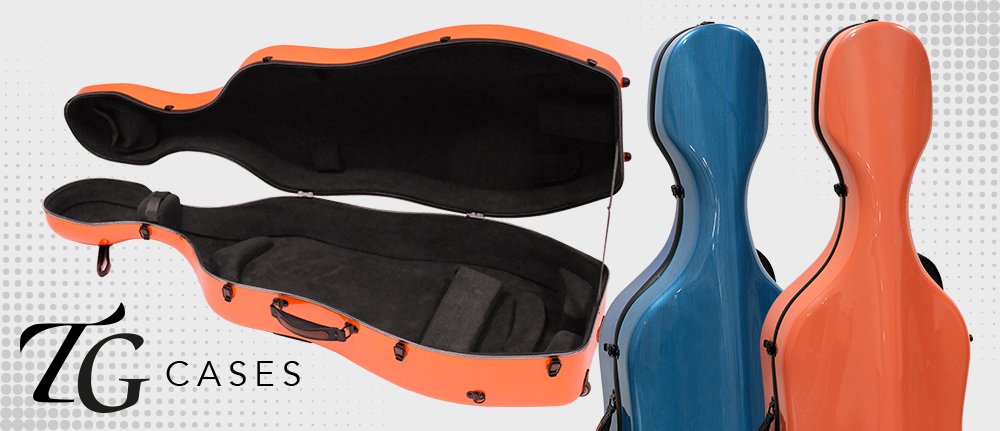
  • Outfit includes TG case and FPS Brazilwood bow

Why upgrade from RV2 to RV5: Higher-quality wood and craftsmanship typically bring increased volume, tonal colour, and projection, supporting ensemble and exam demands.
Click here to explore the Raggetti range

Gliga Violins: Advanced Student and Pre-Professional Violins

Handmade in Romanian workshops using timbers sourced from the Carpathian region, Gliga violins offer carved instruments with model steps corresponding to timber grading and handwork.

Gliga III

  • Student-level European instrument
  • Solid spruce top and solid maple back
  • Ebony fittings, inlaid purfling
  • Wittner Ultralight tailpiece and Aubert French bridge
  • Strung with Opal Titan or Pirastro Tonica strings for fractional sizes

Gliga II

  • Intermediate student model
  • Tighter-grained spruce and lightly flamed maple
  • Aubert French bridge, Wittner Ultralight tailpiece
  • Strung with Opal Gold or Pirastro Violino strings

Gliga I

  • Advanced student model with higher-grade timbers
  • Extra handwork attention to plate graduation and outline for richer, well-rounded sound
  • Ebony fittings, optional Wittner Ultralight tailpiece
  • Strung with Opal Gold or Pirastro Violino strings

Click here to explore the Gliga range

Side-by-Side Comparison: What Changes as You Upgrade

  • Tonewoods and flame: Each step up improves wood quality and visual flame — Enrico Extra > Student Plus models, Raggetti RV5 > RV2, Gliga II & I > III.
  • Finish: Enrico offers gloss (Student Plus) and satin (Plus II, Extra); Gliga instruments use traditional varnishes.
  • Fittings: All models have ebony fittings. Tailpieces with fine tuners on Enrico and Raggetti; Wittner Ultralight on Gliga.

Recommendations by Player Profile

  • Primary school beginner: Enrico Student Plus (gloss) or Plus II (satin). Step up to Student Extra for flamed maple and roomier case.
  • Student progressing into ensembles: Raggetti RV2 for value with traditional build; RV5 for enhanced projection and tonal colour.
  • Advancing student preparing for exams or orchestral work: Gliga II or I. Gliga III offers a European handmade entry-level option.

Quiz: Find the Best Violin for Your Playing Level

  1. Who will be playing the violin?
    • Child or absolute beginner → step 2
    • Student with 1–3 years of lessons → step 3
    • Advancing student → step 4
  2. Is this their very first violin?
    • Yes → Enrico Student Plus or Plus II
    • Want better tonewoods and case → Enrico Student Extra
  3. Has the student outgrown a beginner violin?
    • Needs more projection → Raggetti RV2
    • Needs refined tone → Raggetti RV5
  4. Advancing into high-grade exams or pre-professional work?
    • Entry European handmade → Gliga III
    • Richer tonewoods & handwork → Gliga II
    • Highest-grade craftsmanship → Gliga I

Click here to explore our full violin range

A Parent’s Guide: Essential Violin Accessories for Young Musicians

The Ultimate Guide to Violin Accessories for Children: Must-Have Gear for Young Violinists

Embarking on your child’s violin journey is an exciting adventure. To ensure their success and comfort, equipping them with the right accessories is crucial. At Payton’s we offer a curated selection of high-quality violin accessories tailored for young learners. Here’s a comprehensive guide to help you choose the best tools to support your child’s musical development.

1. Shoulder Rests: Comfort and Posture Support

A well-fitted shoulder rest is fundamental for young violinists. It provides stability, reduces neck and shoulder strain, and helps maintain proper posture during practice. At Payton’s, we offer a variety of shoulder rests designed for different body types and playing styles.

Recommended Products:

  • Maestro Violin Shoulder Rest: This Korean-made rest encompasses a robust, sleek design with practicality and comfort at an affordable student price. It features incremental fine adjustment to the leg position and a superior foot design that maximizes its grip on the instrument while still conceding the violin’s natural sustain and tone.
  • Wolf Forte Secondo Violin Rest: Offers extensive adjustability to fit various body shapes, providing optimal support.
  • Kun Collapsible Violin Shoulder Rest: Known for its ergonomic design and adjustability, ensuring comfort for young players.

2. Rosin: Essential for Bow Grip

Rosin is crucial for producing sound on the violin. It helps the bow hair grip the strings, creating friction that produces tone. Choosing the right rosin can affect the quality of sound and ease of playing.

Recommended Products:

  • Melos Violin Rosin – Light: Handmade in Greece, this rosin is crafted using premium quality pine-tree resin and colophony combined with the finest ingredients, handpicked by local suppliers. It offers a smooth application and is suitable for various climates.
  • Hidersine Junior Rosin: Specifically designed for student players, offering a smooth application and minimal dust.
  • Paganini Rosin: Provides a clean application and is suitable for various climates.

3. Practice Mutes: Quiet Practice Solutions

Practice mutes are invaluable for young violinists, allowing them to practice quietly without disturbing others. They reduce the volume significantly, making practice sessions more convenient in shared living spaces.

Recommended Products:

4. Tuner: Ensuring Accurate Tuning

A tuner ensures the violin is in tune, which is essential for developing good musical habits and improving timing.

Recommended Product:

5. Cleaning Supplies: Maintaining Your Instrument

Regular cleaning is essential to maintain the violin’s appearance and sound quality. Removing rosin dust and finger marks prevents build-up that can affect the instrument’s finish and tone.

Recommended Products:

6. Violin Case: Protection and Portability

A sturdy violin case protects the instrument from physical damage and environmental factors. Choosing a lightweight yet durable case is important for young musicians who transport their instruments frequently.

Recommended Product:

7. Extra Strings: Preparedness for Breakages

Having spare strings on hand is wise, as they can break unexpectedly during practice or performance. Regularly replacing strings ensures consistent sound quality.

Recommended Products:

  • Clarendon Gold Violin String Sets: These strings feature a synthetic core with steel E, aluminium wound A & D, and silver wound G. They are available in sizes ranging from 1/8 to 4/4, offering affordability without compromising on tone quality.
  • Opal Titan Violin Strings: Handmade in Switzerland using cutting-edge technology, these synthetic core strings offer a rich, powerful sound with a wide tonal spectrum. They are designed to meet the demands of advancing players.

Equipping your child with the right accessories can significantly enhance their learning experience and foster a love for music. At Payton’s we are committed to providing quality products that support young violinists in their musical journey. Explore our full range of violin accessories to find the perfect fit for your child’s needs.


Parent’s Guide to String Instrument Sizes

How to Size Your Child’s First Violin, Viola, Cello, or Double Bass

Choosing the right size for your child’s first string instrument is essential for comfort, proper technique, and long-term musical development. An instrument that is too large can cause strain and frustration, while one that is too small may limit posture, finger placement, and progress. This guide will help parents accurately measure and select the best size for violins, violas, cellos, and double basses.

Violin and Viola: How to Measure Your Child for the Correct Size

To find the right size violin or viola, start by measuring your child:

  • Ask your child to hold their left arm straight out, parallel to the ground, with the palm facing upward.
  • Measure from the base of the neck (nape) to the center of the palm.

This measurement is a reliable guide for selecting a size that supports healthy posture and comfortable playing.

Violin Size Chart by Arm Length and Age

SizeArm Length (cm)Age (approx.)
1/1635–383–4 years
1/1039–424–5 years
1/843–465–6 years
1/447–516–7 years
1/252–567–8 years
3/457–609–11 years
4/4>6011–13+ years

Tip: If your child is between sizes, choose the smaller size to ensure proper technique and comfort.

Viola Sizes by Body Length

SizeArm Length (cm)
12″53–55
14″55–59
15″63–65
15.5″65–67
16″>67

Viola sizing is similar to violin, measured from the neck to the palm. Ensure the instrument fits the arm length comfortably while maintaining proper posture.

Cello Sizing Guide for Young Beginners

To measure for a cello:

  • Have your child sit at the front edge of a chair with knees bent at right angles and feet flat on the floor.
  • The back of the cello, where the neck meets the body, should rest at the center of the chest, and the C-peg should be just behind the left ear.
  • The knees should lightly hold the lower bouts without strain, and your child should reach the full fingerboard comfortably.

Cello Size Chart by Age

SizeAge (approx.)
1/104–5 years
1/85–6 years
1/46–8 years
1/28–10 years
3/410–12 years
4/412–13+ years

Double Bass: Choosing the Right Size for Your Child

When selecting a double bass:

  • Have your child stand upright with the bass in playing position.
  • The bridge should roughly align with the knuckles of the right hand.

The correct size allows your child to play comfortably while reaching higher notes without overextending.

Double Bass Size Chart by Age

SizeAge (approx.)
1/163–4 years
1/104–5 years
1/85–7 years
1/47–9 years
1/29–13 years
3/413+ years

Tip: A 3/4 size is typically standard for adults.

Additional Considerations Across Instruments

  • Growth spurts are fast. Re-measure every 6–12 months to ensure the instrument still fits.
  • Fit matters more than age. Use measurements first, and age only as a secondary reference.
  • Fractional sizes are not literal. A 1/2 violin is not exactly half the size of a full violin. Sizes vary depending on manufacturer.
  • Instrument-specific factors:
    • Violin and viola: Hand span, shoulder and chin rest comfort, finger reach, and a 90-degree elbow angle.
    • Violin tone: Very small sizes like 1/16 may produce less full tone, so sometimes opting up is beneficial.

Practical Advice for Parents

  • Measure accurately using the methods above.
  • Try or rent multiple sizes to determine comfort and proper fit.
  • Avoid oversized instruments, as it is harder to scale down than up, and poor posture can affect technique.
  • Renting is a smart option for fast-growing children, allowing easy upgrades without a full purchase.
  • Consult an expert, such as a teacher or luthier, to observe posture, reach, and technique.

Sizing your child’s first violin, viola, cello, or double bass is not guesswork. Proper sizing supports good posture, encourages skill development, and helps your young musician enjoy the learning experience.

Click to explore our full range of violins


FAQ

What size violin should a 7-year-old play?

Most 7-year-olds fit a 1/2 size violin, but arm length should guide the final choice.

How often should I remeasure my child for a cello?

Every 6–12 months, depending on growth.

Is it better to choose a smaller or larger instrument for beginners?

A slightly smaller instrument ensures comfort and proper technique.

New Pirastro Evah Pirazzi Neo Strings

Exciting news for violinists in Australia: the highly anticipated Pirastro Evah Pirazzi Neo strings are now here! This latest addition to the esteemed Evah Pirazzi family promises to elevate your playing experience with its innovative design and exceptional tonal qualities.

Developed in close collaboration with renowned violinist Janine Jansen, the Evah Pirazzi Neo strings embody a harmonious blend of power, brilliance, and responsiveness. Jansen describes them as having an “excellent malleable sound, big, powerful, centered, noble, and luminous.” These strings are designed to highlight the best qualities of your instrument, encouraging flowing inspiration and effortless musical expression.

Key Features:

  • Centered, resonant tone across all registers

  • Excellent tuning stability and quick play-in time

  • Premium construction:

    • E: Goldsteel with removable ball end

    • A: Synthetic core, aluminum wound

    • D & G: Synthetic core, silver wound

Shop the range of Evah Pirazzi Neo strings here.

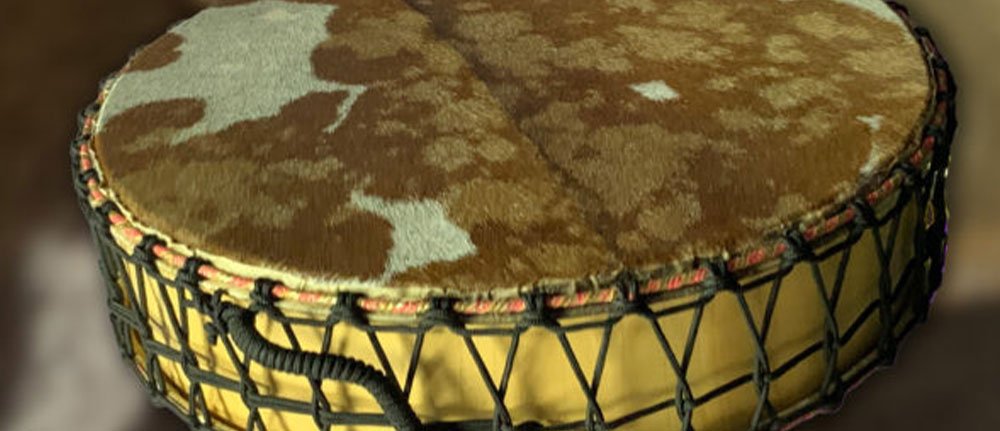
Shamanic Drums – A Rhythmic Journey

For thousands of years, across vast landscapes from icy tundras to wide-open plains, special drums have been central to practices of healing and spiritual exploration. These aren’t just musical instruments; they’re considered sacred by many cultures. Their steady, pulsing rhythm is like the Earth’s own heartbeat, helping people feel connected and guiding them into deeper states of awareness to connect with the unseen.

At Payton’s, we offer a special collection of these remarkable drums, each one built with care to honor their long history. Crafted with real leather surfaces and strong wooden frames, every drum is made to create deep, ringing sounds perfect for ceremonies, quiet reflection, or personal practice. You’ll find them in different sizes, from smaller ones that are easy to handle to larger, more powerful versions, suiting various ways of playing and spiritual needs.

Beyond their captivating sound, these drums are also gaining recognition for their power to help people heal. Studies suggest that rhythmic drumming can ease tension, bring balance to the mind, and even aid in releasing emotions. Whether you’re leading a group, doing your own inner work, or simply exploring the power of sound for personal development, a well-made drum can become a strong partner on your path.

We also have helpful accessories like protective bags for carrying your drum and stands designed just for them – perfect for anyone who uses drums in their music, teaching, or healing work. These drums are much more than just beautiful items; they are tools for connection, rhythm, and finding new energy. Take a look at our range and see how something ancient can still resonate so powerfully today.

Ready to discover the perfect drum for your journey? Click here to explore the range.

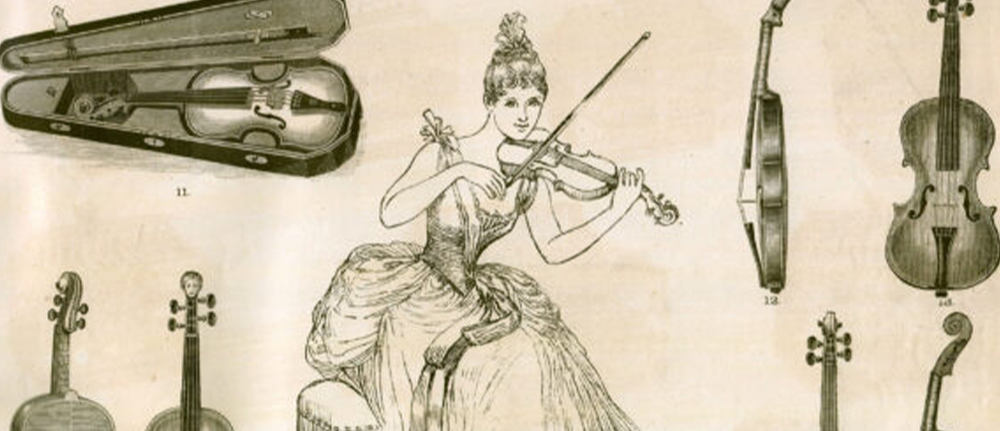
Step Back In Time with Paytons

We recently scanned an amazing selection of pages from a 135 year old Paytons catalogue – a cherished piece of history from some of our earliest years in the music trade. The details in the hand drawn illustrations are just incredible!

We are excited to share this unique artifact with you, along with an extended Paytons historical timeline on our newly updated About Us page.

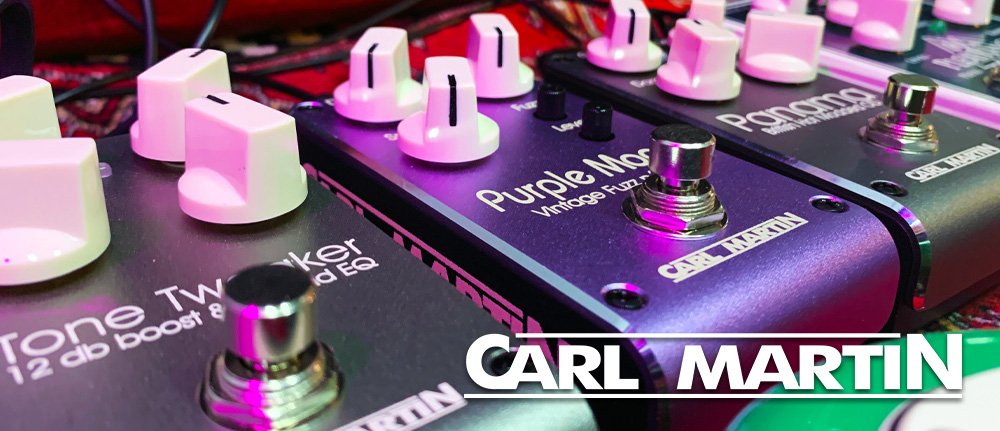
Just Landed! The Gold Standard in Guitar Pedals: Carl Martin

In the world of guitar tone, there’s gear… and then there’s Carl Martin. For those who obsess over every nuance of their sound session pros, touring guitarists, studio regulars, Carl Martin pedals are more than just another tool. They’re a testament to craftsmanship, sonic clarity, and the kind of reliability you only appreciate after countless late-night gigs and long-haul tours.


As the only place in Australia where you can get Carl Martin pedals, we want to share what sets this brand apart, and why it matters to anyone serious about their sound.


Handcrafted in Denmark, Built with Intention

Carl Martin pedals are made by hand in Denmark, a country with a reputation for meticulous engineering and clean, thoughtful design. These aren’t generic, assembly-line stompboxes. Each pedal is assembled with care, from the circuit board up, with a single goal: to deliver outstanding tone and dependable performance. Every detail, from the choice of components to the layout of the controls, reflects a commitment to quality you can hear and feel.

Carl Martin’s roots are in high-end studio equipment, and that legacy is alive in every pedal. You can expect studio-grade clarity, minimal noise, and controls that make sense even in the heat of a live set. These are pedals for guitarists who really listen.


Built to Survive the Road

Let’s be honest: some pedals look the part at home but can’t handle the rigors of the stage. Carl Martin pedals are different.

These things are built to last, ready for the rough-and-tumble of international touring. Whether you’re sweating it out in a packed club or hauling your gear from city to city, Carl Martin pedals are designed to take a beating and keep delivering top-notch sound.

That’s why they’re a staple on the pedalboards of working musicians all over the world.


Tone That Sparks Creativity

Whether you’re after warm analog delay, lush modulation, thick overdrive, or transparent compression, Carl Martin’s lineup is all about enhancing your sound—not covering it up. Their pedals are designed to bring out the best in your guitar and amp, not to mask their character.

Some of their models have become modern standards, like the Compressor/Limiter, a favorite for players who want punch and polish, or the PlexiTone, which packs the growl of a classic British amp into a pedalboard-friendly box.


No Gimmicks – Just Pure Sound

Carl Martin isn’t interested in chasing the latest trends. You won’t find flashy screens or app connectivity here. What you will find are pedals that deliver real musical value tools for players who care more about their sound than about hype.


Now Available Australia Wide

Carl Martin is exclusive to Paytons and available now via retailers across the country. That means you’re ordering something rare and boutique, not something you’ll see on every other pedalboard. If you want a setup that stands out, or you’re hunting for that elusive piece of European gear, now’s your chance. Whether you’re a gigging musician, a tone fanatic, or just want to sound your best, Carl Martin is a brand worth discovering. Step up to a higher standard of guitar gear – built not just to perform, but to endure.


Explore The Range

A Volume Dial for your Ears: Knops Earplugs

Introducing the worlds first fully analogue, adjustable high fidelity earplugs – the Knops Earplugs, made in the Netherlands.

Designed for people who value their hearing, Knops put the power of sound control at your fingertips without batteries or apps.

With 4 acoustically tuned settings (0dB, ~10dB, ~20dB and ~30dB reduction*), users can fine-tune their listening environment in real time, without removing the earplugs or fiddling with different filters. A simple turn of the outer drum, as you would a volume dial, adjusts the filter of the earplug. Each ear can be adjusted independently.

Knops Earplugs

Knops earplugs are supplied with silicon ear tips plus 3 different sizes of foam tips to ensure users can achieve a good in-ear seal. Each set comes with a carry case, supplied in retail display packaging.

#37000  Black
#37002  White

$135.00


The 4 settings of Knops

The Knops earplugs consist of 4 settings that help you reduce sound.

  • Step 1 is the only setting that does not filter any sound and lets you hear everything loud and clear. Although this step doesn’t use a filter, it’s acoustically tuned.
  • Step 2, 3, 4 filter average ~10dB, ~20dB and ~30dB respectively*.
  • Setting 4 is certified as SNR 28dB


Where to use Knops

Thanks to their quick adjustment, Knops give you a highly adaptive approach to noise and volume adjustment on the fly.

  • Protect your ears at concerts, festivals and clubs without reducing audio quality.
  • Turn the volume down at loud bars while still being able to hold conversations.
  • Reduce distractions at the office, co-working spaces and cafés.
  • Read, work or sleep better during travel.
  • Get more study done or focus during an exam.


Shop White Knops Earplugs here

Shop Black Knops Earplugs here


*dB reduction shown is the average or approximate reduction in ideal situations. Reduction can vary user-to-user.

Enrico Orchestral Instruments: Quality, Craftsmanship, and Educational Focus

Exploring Enrico Orchestral Instruments: Quality, Craftsmanship, and Educational Focus

Enrico Orchestral Instruments have become a trusted name in the world of string instruments, particularly within educational settings. For over 25 years, Enrico has been known among Australian teachers for striking the perfect balance between quality, reliability, and affordability, making it a go-to choice for educators and students alike.

‘The Chance to Succeed’ has always been the Enrico mantra. Learning a stringed instrument isn’t easy and the last thing a student needs is something that looks like a violin but is far from how one should function.

To capture a child’s interest and enthusiasm, to help nurture and develop it promises to enrich their life forever. Enrico’s commitment to quality at an affordable price makes the name the trusted stepping-stone for their musical education by teachers across the country – and thus The Educator’s Choice.

Every violin, viola, cello, and double bass bearing the Enrico name is meticulously crafted using skills and methods that have been in existence for hundreds of years. This commitment to the craft ensures that each instrument not only meets high standards of quality but also provides an exceptional playing experience for students.

That quality and consistency Enrico has become known for is owed to the continual monitoring at every stage of the instruments production. That human touch from beginning to end has made it a market leader year after year.

The mark of quality can be measured against the build of Enrico instruments, including:

  • Solid spruce tops (violins, violas, cellos and most basses)
  • Maple back, neck and sides (violins, violas, cellos, most basses)
  • All ebony fittings (pegs, nut, fingerboard, chinrest, saddle)
  • Lightweight tailpiece with inbuilt fine tuners
  • Accurate string heights and projections according to Strobel

Additional value in Enrico Outfits:

  • Brazilwood bow, Rosin and Lightweight cases or bags
  • Branded Cleaning Cloth and Name Tag
  • Serialised for school tracking and rental management

Instrument Range and Levels at a Glance

Enrico offers a diverse range of instruments that cater to different skill levels and budgets, making it an ideal choice for students at various stages of their musical journey:

  • Student Plus: This range includes violins, violas, cellos, and double basses, designed with the beginner in mind. The go-to instrument for Teachers around Australia for the past 25 years. These instruments provide an outstanding entry point for students, offering great playability and sound quality at an accessible price.
    Violin
    Viola
    Cello
    Bass


  • Student Plus II: Available for violin and cello, this series is a step up from the Student Plus range, offering enhanced features and a different finish. Ideal for students after an alternative look to the Student Plus. The Student Plus II cello outfit comes with a lightweight TG case for increased protection.
    Violin
    Cello


  • Student Extra: Covering violins, violas, cellos, and double basses, the Student Extra range is tailored for intermediate players. These instruments are crafted to support more complex playing techniques while still maintaining affordability. These instruments often display flamed back with a striking darker finish. Although not necessary, Student Extra instruments respond well to upgrades in component parts such as strings and bridges, showing off their tonal potential.
    Violin
    Viola
    Cello
    Bass


  • Custom: The Custom range includes violins, violas, and cellos, and is designed for advanced students and budding professionals. These instruments are crafted with premium materials and provide superior sound quality and responsiveness.
    Violin
    Viola
    Cello


What Sets Enrico Apart

Enrico’s dedication to the educational market sets it apart from other brands. Too often, budget instruments sacrifice workmanship to hit the price point – this isn’t so with Enrico! The instruments are specifically designed to support learning and development, offering durability, ease of play, and consistency in sound production. Constant monitoring at the factory end ensure projection, measurements, materials and workmanship are maintained. Enrico instruments have all ebony fittings such as pegs, nut, fingerboard and saddle. E string tube stops the string from cutting into the bridge. Enrico also ensures that its instruments are accessible to a wide range of students by maintaining competitive pricing without compromising on quality.

Moreover, the brand’s close ties with Australian educators and their understanding of students’ needs have allowed Enrico to develop instruments that are both reliable and inspiring, encouraging young musicians to grow and excel.

Over 25+ years Enrico Orchestral Instruments have earned their reputation as “The Educator’s Choice” by offering a perfect blend of quality, craftsmanship, and affordability. Whether you are a beginner or an advancing student, Enrico has an instrument that will meet your needs and support your musical journey. With a commitment to tradition and a focus on Australian education, Enrico continues to be a leader in the world of orchestral instruments.

For more information about Enrico and their range of instruments, visit Enrico’s official website or explore the range on the Paytons site here.

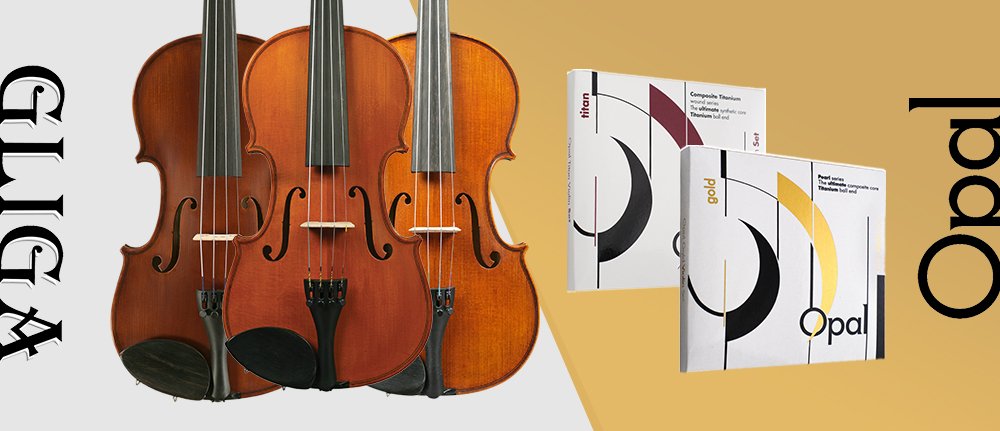
Elevating Tonal Excellence – Gliga with Professional String Upgrade

Effective February 1st, Gliga violin outfits will feature a notable upgrade, at no additional cost: the inclusion of OPAL professional-grade strings with all 4/4 and 7/8 instruments.

Developed over a decade by Swiss cellist and technician Curdin Coray, these strings employ innovative materials and meticulous craftsmanship, delivering up to a remarkable 30% improvement in sound quality, as affirmed by independent testing on Gliga instruments.

Already favoured by distinguished musicians in Australia’s premier orchestras, OPAL strings exemplify a new standard in performance. This enhancement, made possible through a special collaboration with OPAL Spanish Head Office and Gliga, allows us to maintain the current outfit/instrument pricing while significantly enhancing their tonal profile.


Each instrument will feature an Opal swing tag and an informational insert, guiding players to authorised Opal Dealers when replacement strings are required.

This thoughtful upgrade ensures Gliga continues to offer exceptional value and uncompromising musicality across Australia.

For more information on OPAL strings, visit: opalstrings.com.au

Explore the Gliga range, including updated specs, on the Paytons site by following the button below.


Mr. David Pia
Munich, Germany
Anastasia Kobekina
International Tchaikovsky Competition prize winner
Mr. Li Wei Qin
Head of Cello Studies

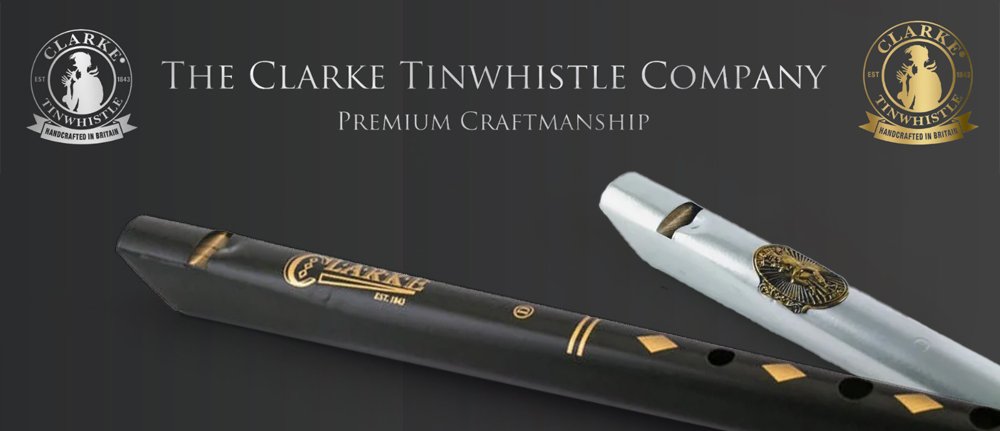
The Clarke Tinwhistle Early Learning Tutorial

Please let us take this time to introduce you to their Early Learning Sheets with Online Tutorial!

Clarke Tinwhistles have been the perfect first instrument for many musicians since Robert Clarke made the first Tinwhistle in 1843.

In fact some famous names started their musical journey on a Clarke Tinwhistle, including the World Famous flutist “The Man with the Golden Flute” Sir James Galway.


A Tinwhistle is easy to play & easy to learn. And today it is easier than ever with our Online Tutorial presented by Stephanie Burton, a prominent Tinwhistle enthusiast on YouTube!

Their entry level instrument, the Sweetone Tinwhistle (available in key of C & D) now comes with the early learning sheet & link to the video!

If you work with educational facilities such as schools, colleges, kindergartens, home schooling organisations and you would like to know more about the Early learning program then please do not hesitate to get in touch.

They have the facility to add subtitles in your local language if required!

And please remember that after a player has mastered the basics, we have an excellent 160page Tutor Book, with many downloadable Tunes to guide you to a professional level!


The Sweetone is available in 10 attractive colours and with an ABS mouthpiece is easy to play.

All Clarke Tinwhistles are hand made at their Factory in England, but still represent excellent value for money as an introductory musical instrument.

To know more about Clarkes ranges of Tinwhistles, Harmonica’s, Kazoo’s & Fifes please visit their website
www.clarketinwhistle.com


Below is the Story of how the Original Tin Whistle – aka Pennywhistle is made – and has been since 1843!


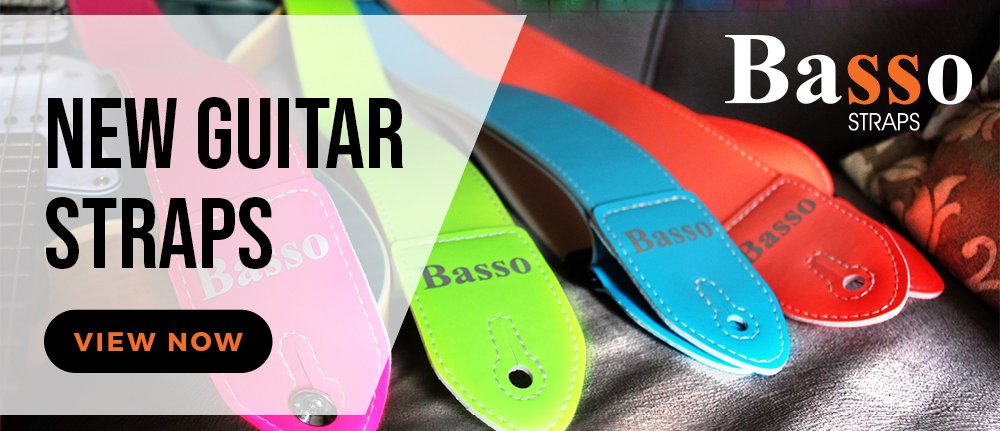
New Release Basso Guitar Straps

The latest releases from Basso straps have just landed in Australia.

Known for their exceptional craftsmanship, stylish designs and sustainability, Basso has been a trusted name in the music industry for over 20 years. Handcrafted in Brazil, these straps combine premium materials with innovative features to deliver unparalleled comfort and durability.

These latest additions add a burst of colour and shimmer under the Aussie sun.

Don’t miss out – explore what’s new from Basso below or check out the full range here.


Tresse – RRP$33.50

Distinctive braided strap in sandy brown. 5cm wide and adjustable length between 85 and 150cm. Basso produces guitar straps in synthetic material, offering durability and comfort. Double tip, with stitching around its contour, therefore preventing it from “fraying” over time (+ safety).

#35333  Rustic Brown EX35
#35334 Sand EX28


Camouflage – RRP$49.95

You have earned your stripes, so treat yourself to the 7cm wide Basso Military Camouflage strap with 5mm foam padding. This synthetic strap offers durability and comfort. The 5mm internal foam helps absorb impacts and better distributes the weight of the instrument, while the reinforcement at the tip prevents wear over time, providing greater safety. The synthetic lining protects the strap, preventing the absorption of sweat.

#35055


Kids – RRP$31.50

No more trying to adapt an adult strap. The Kids Line are a standard 5cm wide strap but with an adjustable length between 67 and 118cm. And, best of all, they are made from recyclable synthetic material that won’t ruin the planet for the next generation.

#35120 Black SF190
#35121  Pink SF197


Neon – RRP$34.95

Part of the Basso Neon Stage Collection. Recyclable synthetic strap. 5cm wide and adjustable length between 80 and 140cm.

#35125  Orange SF180
#35126  Green SF181
#35127  Pink SF182
#35128  Turquoise SF183


Porous – RRP$34.95

Part of the Basso Diamond Stage Collection. Recyclable synthetic strap. 5cm wide and adjustable length between 90 and 145cm.

#35150  Black EX40
#35151  Light Pink EX42
#35152  White EX43


Glitter – RRP$34.95

Part of the Basso Glitter Stage Collection. Recyclable synthetic strap. 5cm wide and adjustable length between 90 and 145cm.

#35155  Light Gold EX45
#35156  Silver EX46
#35157  Black EX47


Classic Glitter – RRP$48.50

Part of the Basso Glitter Classic Stage Collection. Recyclable synthetic strap. 7cm wide and adjustable length between 92 and 145cm.

#35160  Light Gold CLA45
#35161  Silver CLA46
#35162  Light Blue CLA48


Country Vegan – RRP$59.50

Traditional black Country strap made from 100% vegan sustainable synthetic material. Features 5 decorative graphite-coated metal conchos. Adjustable, with a variable length from 92 cm to 145 cm, and a width of 6 cm in the shoulder area, providing maximum comfort and the best fit for your needs. 100% recyclable.

#35164  Black VT CT 01
#35165  Brown VT CT 02
#35166  White VT CT 04

Pickboy Australian Relaunch: Japanese Innovation and Craftsmanship

Your tone starts when your pick hits the string. For 55 years, Pickboy has dedicated itself to crafting picks that help guitarists find their perfect sound. Trusted by legendary artists from Ritchie Blackmore to John Mayer, Pickboy picks are the choice of professionals and aspiring pros alike.

Packaged To Sell How You Sell

Offered in re-sealable packs of 12 (or 3-6 for the more exotic materials), Pickboy guitar picks can be hung on your existing display wall and sold by the bag, or broken down to be offered individually.

Ask about the premium Pickboy Wooden Display Case we can provide to outfit your store and improve the sales process!

FREE with bulk order – Limited Availability


Carbon Nylon Edge
RRP$16.80 | $1.40 per pick
  •  Quantity: 12pcs/pack
0.60, 0.75, 0.88, 1.00, 1.14

Introducing the Carbon/Nylon composite pick, designed for precision and speed. Crafted from stiff black nylon, this pick features a pointed tip and an Edge shape that’s slightly smaller than the standard raindrop, yet larger than the Jazz shape. Experience enhanced accuracy and a fast playing style with this versatile plectrum.


High-Modulous
RRP$16.80 | $1.40 per pick
  •  Quantity: 12pcs/pack
0.60, 0.75, 0.88, 1.00

Pickboy’s Hi-Modulus guitar picks are the original ‘Bad Boy of Rock & Roll.’ Featuring a raised grip surface, these full-size picks deliver exceptional sound with a texture that balances between nylon and tortex.


PolyAcetal
RRP$16.80 | $1.40 per pick
  •  Quantity: 12pcs/pack
0.80, 1.00, 1.20

PolyAcetal Pickboy picks deliver a soft, warm tone with outstanding durability and just the right flexibility for both leads and strumming. The matte surface ensures a secure grip, keeping the pick steady during play. Available in a full size shape, they serve as a fantastic alternative to tortex and delrin picks.


PolyAcetal Sand Grip
RRP$16.80 | $1.40 per pick
  •  Quantity: 12pcs/pack
0.80, 1.00, 1.20

Made from PolyAcetal, these picks offer a soft, warm tone with remarkable durability and just the right flexibility for leads or strumming. The matte surface, complemented by a ‘70s style sand-grip logo, ensures a secure hold while you play. Available in a full size shape, they are a fresh alternative to tortex and delrin picks.


Polycarbonate Edge
RRP$16.80 | $1.40 per pick
  •  Quantity: 12pcs/pack
0.60, 0.75, 0.88, 1.00, 1.14

Unparalleled durability and responsiveness with these translucent Polycarbonate Edge picks by Pickboy. Designed with a near full size and pointed tip, these picks offer a clear tone and a feel reminiscent of Carbon-Nylon, making them perfect for any playing style.


Triangle Carbon Nylon
RRP$16.80 | $1.40 per pick
  •  Quantity: 12pcs/pack
0.50, 0.75, 1.00

Carbon & Nylon picks blend the hardness of carbon with the flexibility of nylon to eliminate unwanted shaking. Designed for durability, they’re perfect for thick strings like bass guitar. This standard size triangle pick offers a larger grip surface and features a stiff black nylon material for enhanced performance.


Vintage White Pearl
RRP$16.80 | $1.40 per pick
  •  Quantity: 12pcs/pack
0.50, 0.75, 1.00, 1.20

Introducing Pickboy’s Vintage White Pearl guitar picks, crafted in Japan from classic celluloid. Each full-size pick is designed for optimal tone, response, and feel – you can’t beat a classic!


Vintage Tortoiseshell
RRP$16.80 | $1.40 per pick
  •  Quantity: 12pcs/pack
0.50, 0.75, 1.00, 1.20

Experience the timeless quality of Pickboy’s Vintage Tortoiseshell picks, crafted from classic genuine cellulose. Designed to mimic the feel and sound of traditional tortoiseshell, these vintage-inspired plectrums deliver an authentic playing experience of warmth and character.


Luminous
RRP$16.80 | $1.40 per pick
  •  Quantity: 12pcs/pack
0.75, 1.00

Light up your performance with Pickboy’s Luminous picks which glow a ghostly green in the dark for easy visibility on stage. Crafted from classic celluloid and designed in a full size, these picks not only shine brightly but also provide excellent playability. Never lose a pick again!


Celluloid Multi-colour
RRP$16.80 | $1.40 per pick
  •  Quantity: 12pcs/pack
0.75, 1.00

Elevate your playing with the Celluloid Multi-Colour picks, crafted from classic celluloid for a blend of style and functionality. These full-size picks feature vibrant, multi-coloured designs that add a pop of personality to your performance. The perfect balance of tone and aesthetics at your fingertips.


Celluloid Mandolin
RRP$16.80 | $1.40 per pick
  •  Quantity: 12pcs/pack
0.75

The Pickboy classic celluloid mandolin picks are designed with a heart shape and a slim tip for precise picking. Specifically crafted for mandolins, these picks ensure accuracy and control.


Ceramic Pro
RRP$19.20 | $1.60 per pick
  •  Quantity: 12pcs/pack
0.50, 0.70, 1.00

Pickboy Ceramic Pro picks are truly one of a kind! Made from a unique blend of ceramic and nylon, they feature an exclusive raised grip pattern that ensures a secure hold, perfect for those who struggle with slipping picks. With a balanced tone and a subtle attack at the front of each note, these full-size picks are a best-seller, offering both style and performance.


Nylon Pro
RRP$19.20 | $1.60 per pick
  •  Quantity: 12pcs/pack
0.50, 0.70, 1.00

Introducing the Pickboy Nylon Pro picks – the only ones of their kind in the world! Crafted from stiff nylon, these full-size picks feature a raised gripping surface designed to keep your hold secure during fast passages.


Pos A Grip Carbon Nylon
RRP$17.95 | $1.50 per pick
  •  Quantity: 12pcs/pack
0.70, 1.00

The Pos A Grip Carbon-Nylon pick is incredibly lightweight yet durable, making it a fantastic option from Pickboy. Crisp sound with strategically placed perforations to enhance grip preventing slippage during play. Featuring a stiff nylon design, near-full size, and a pointed tip, this pick is one to check out for precision and control.


Pos A Grip Polycarbonate
RRP$17.95 | $1.50 per pick
  •  Quantity: 12pcs/pack
0.70, 1.00

The Pos A Grip Polycarbonate guitar pick combines stiffness with a warm tone, thanks to its innovative design and new Polycarbonate composite. This transparent red plectrum features a near-full size and pointed tip, enhanced by perforations for superior grip. Perfect for guitarists seeking both performance and comfort!


Celluloid Jazz
RRP$18.95 | $1.58 per pick
  •  Quantity: 12pcs/pack
1.00, 1.20

Pickboy’s Celluloid Jazz Picks blend the warmth of cellulose – favoured by many musicians for its resemblance to real tortoiseshell – in a popular smaller jazz size. These picks deliver a rich tone and excellent responsiveness, making them a go-to choice for discerning players. Each pick features a stylish metallic foil logo for a touch of elegance.


PolyAcetal Jazz
RRP$18.95 | $1.58 per pick
  •  Quantity: 12pcs/pack
1.00, 1.20, 1.50

The PolyAcetal Jazz picks by Pickboy offer a soft, warm tone along with exceptional durability in a smaller jazz size. The matte surface ensures a secure grip, keeping the pick steady during play. These picks serve as a fresh alternative to tortex and delrin, made with love in Japan.


Felt
RRP$19.95 | $3.33 per pick
Quantity: 6pcs/pack

Pickboy felt picks are ideal for ukuleles, providing a mellow sound perfect for nylon strings. Available in both soft and hard options, the gentle touch of felt offers a warm and forgiving playing experience.


Bone & Wood
RRP$26.00 | $4.33 per pick
Quantity: 6pcs/pack

These picks are hand-shaped in Japan. Offering an ergonomic design, they feature a thumb depression on the front and a finger groove on the back for optimal positioning during play. Each material – Bone or Ebony – delivers a unique tone and feel, making them perfect for jazz or acoustic styles. Available in full size with a pointed tip, the bone pick provides a warm tone, while the ebony pick adds a nice edge to the attack—both designed for durability and performance.


Stone
RRP$58.80 | $19.60 per pick
Quantity: 3pcs/pack

Hand-made in Japan, the Pickboy Stone Agate picks come in a striking set of black, red, and green. Crafted from natural stone, these picks can feature beautiful wavy veins and stripes throughout the material, adding character and individuality to each piece. Expect a smooth and clear tone.


Thumb Pick
RRP$15.35 | $1.28 per pick
Quantity: 12pcs/pack

Pickboy’s thumb picks, made from celluloid, offer a warm tone and excellent response off the strings. Available in a standard size and gauge, these picks come in two stylish colour variants: classic black and elegant tortoiseshell.


Pop Dual Thumb Pick/Flat
RRP$24.95 | $2.08 per pick
Quantity: 12pcs/pack

The full-size Pop Dual Thumb pick features a thumb pick-style hook grip for added comfort and control. Available in medium, heavy, and extra-heavy options, it can be used as both a thumb pick and a flatpick, making it a versatile choice for any player.

Discover your sound with Melos Rosin

Melos Rosin is a family-run company founded in 2003 in Thessaloniki, Greece.

Melos’ vision was to offer pure, high-quality rosins for string instruments, accessible to everyone. A handmade, fresh cake that enhances one’s skills and ultimately broadens their creative process. Over the years, they did our best to live up to this commitment.
Now, 20 years later, they proudly look back and make sure to keep on delivering the highest standard.

After several experiments and thorough tests with different strings, instrument bodies, and temperatures, Melos rosins are designed to deliver under any condition. The key to their recipes is the raw material. Melos use Greek pine-tree resin and colophony combined with the finest ingredients, handpicked by local suppliers. These ingredients ensure a fresh, natural, and fine rosin that meets the highest expectation.

Part of their vision is also to remain respectful towards the environmental crisis and stay aware of our footprint.
In 2023 Melos designed an 100% recyclable, eco-friendly, and anti-pollution packaging and minimized their impact.

Find the full Melos range here.


Unleashing Sonic Possibilities: An In-Depth Look at GNI Guitar Pedals

Priding themselves on manufacturing truely robust and unique pedals for guitar and bass, Brazilian company GNI Music combines advanced technology with a deep passion for music – and it shows.

Each new pedal design undergoes a rigid series of testing to confirm they can stand the rigors of the road and deliver quality sound year after year. Prior to general production, a new design is field tested for at least twelve months to put it through its paces. The fruits of this journey are what we see below, so let’s take a look at the lineup of GNI pedals and explore what each one has to offer.

Octa-FuzzRRP$245

The Octa-Fuzz pedal is a dream come true for fuzz enthusiasts. It combines classic fuzz tones with an octave effect, delivering a unique and versatile sound. This pedal can go from subtle, warm fuzz to a full-on aggressive octave fuzz, making it perfect for those looking to experiment with their sound and create something truly distinctive.


Power Distortion – RRP$245

For those in need of a powerful and dynamic distortion pedal, the Power Distortion by GNI is a top choice. This pedal offers a wide range of distortion tones, from light overdrive to heavy, saturated distortion. It is designed to maintain clarity and definition even at high gain settings, ensuring your riffs and solos cut through the mix.


Hot Drive RRP$245

The Hot Drive pedal is all about warmth and drive. It delivers rich, creamy overdrive tones that are perfect for blues, rock, and beyond. With its responsive controls, you can easily dial in the exact amount of drive you need, from a gentle boost to a roaring overdrive that adds depth and character to your sound.


Dual Drive RRP$430

Versatility is the hallmark of the Dual Drive pedal. Featuring two distinct drive channels, this pedal allows you to switch between or combine different overdrive and distortion tones on the fly. Whether you’re looking for a subtle boost, a crunchy rhythm tone, or a searing lead sound, the Dual Drive has you covered.


Bass ShaperRRP$515

Bassists rejoice! The Bass Shaper pedal is specifically designed to enhance and shape your bass tone. It offers a range of EQ options and a powerful drive circuit, allowing you to craft everything from clean, punchy tones to gritty, overdriven sounds. This pedal is a must-have for any bassist looking to expand their sonic palette.


Kiko Loureiro Signature DistortionRRP$320

Designed in collaboration with legendary guitarist Kiko Loureiro, this signature distortion pedal delivers the high-gain tones that Kiko is famous for. It offers a wide range of distortion sounds, from tight and focused to thick and saturated. With its versatile controls and exceptional build quality, this pedal is perfect for metal and rock guitarists.


Fuzz & DistortionRRP$399

Combining two classic effects in one pedal, the Fuzz & Distortion offers a world of tonal possibilities. You can use the fuzz and distortion independently or blend them together for unique and complex sounds. This pedal is perfect for experimental musicians looking to push the boundaries of traditional effects.


Xtreme DistortionRRP$399

For those who crave extreme levels of distortion, this will get you there. It provides massive amounts of gain, perfect for heavy metal and hard rock. Despite its high gain capabilities, it maintains clarity and definition, ensuring your riffs and solos sound powerful and articulate.


Analog Stereo Dual Chorus RRP$430

Chorus enthusiasts will love the Analog Stereo Dual Chorus pedal. It offers lush, rich chorus tones with an analog warmth that digital effects often lack. The stereo output allows you to create spacious, immersive sounds, making this pedal perfect for both live performances and studio recordings.


Felipe Andreoli Signature Bass PlusRRP$445

Designed in collaboration with renowned bassist Felipe Andreoli, the Signature Bass Plus pedal offers a comprehensive solution for bassists. It features a powerful drive circuit, extensive EQ options, and a compressor, allowing you to shape and refine your tone with precision. This pedal is perfect for bassists who demand versatility and high-quality sound.

GNI Guitar Pedals offer a diverse range of effects catering from subtle enhancements to extreme tonal shifts. Explore the range here.

TG Cases Launch Polycarbonate Cello Cases in Dazzling Burnt Orange and Blurple

TG Cases, renowned for their extensive range of high-quality instrument cases at affordable price points, has recently made an exciting addition to their collection. Known for their exceptional cases for Violin, Viola, Cello, Bass, and bow cases, TG has now introduced their first-ever Polycarbonate Cello cases. These new cases come in two eye-catching colours: Burnt Orange and Blurple (yes, that’s a colour!), offering both style and superior protection for cellists. These two models see TG adding some spark to their otherwise more traditional colour range, while continuing to deliver on well-made cases boasting a comprehensive spec list.

Why Polycarbonate?

Before we look at the cases themselves, it’s worthwhile remembering why we use Polycarbonate in instrument cases to begin with. Polycarbonate is celebrated for its robustness and lightweight properties. It’s a material often used in high-performance products like bulletproof glass and protective gear, making it an excellent choice for instrument cases. TG Cases’ decision to use polycarbonate ensures that their cello cases provide maximum durability while remaining easy to handle and transport. This doesn’t make them and their contents completely indestructable but it does come a long way to provide a high level of protection to your cherished instrument in a lightweight format.

Turn Heads with the Bold and Brilliant

The Burnt Orange cello case is a standout with its vibrant, fiery hue. This colour not only exudes a sense of warmth and energy but also makes a bold statement. The case is designed with practicality in mind, featuring an external detachable music pocket for convenient storage of sheet music and accessories. Its lightweight yet sturdy construction ensures that your cello is well-protected from the rigours of travel and everyday use.

Key Features:

  • Material: Polycarbonate
  • Colour: Burnt Orange
  • Weight: 4.8kg with music bag attached
  • Storage: Music pocket for sheet music and accessories + internal pouch
  • Protection: High durability against impacts, removable back-pad support, soft suspension

Click here for more information on the TG Burnt Orange Polycarbonate Cello case.


Modern Understated Style

The Blurple cello case is equally stunning with its unique blend of moody blue and purple tones. This colour choice is both elegant and modern, perfect for cellists looking to make a more subtle impression of style. Like its Burnt Orange counterpart, the Blurple case is equipped with a music pocket and constructed from durable polycarbonate material, ensuring your instrument remains safe and secure.

Key Features:

  • Material: Polycarbonate
  • Colour: Blurple
  • Weight: 4.8kg with music bag attached
  • Storage: Music pocket for sheet music and accessories + internal pouch
  • Protection: High durability against impacts, removable back-pad support, soft suspension

Click here for more information on the TG Blurple Polycarbonate Cello Case.


TG Cases’ new polycarbonate cello cases represent a significant innovation in their product line of affordable instrument cases. By combining the strength and lightweight properties of polycarbonate with vibrant and alternative, modern colours, TG Cases continue to set impressive new standards in instrument protection and style. These cases are designed to meet the needs of contemporary cellists who demand both functionality and aesthetic appeal and we’re happy to have them available now for the Australian market.

Explore the range of TG polycarbonate cello cases here.

View our full range of Polycarbonate cases for all brands and instruments here.

Product Spotlight: The Eco Vegan Guitar Strap by EcoStrap

Where Style Meets Sustainability

As music lovers and guitar enthusiasts, we understand that the tools we use to create our art should be as considerate to the world around us as the notes we play. The Eco Vegan strap is a pioneering accessory that combines style, comfort, and eco-consciousness in one sleek package. The flagship of EcoStraps range, the Eco Vegan strap has remained a staple and best seller since the brands very beginning. Given its importance in the guitar accessory space, we’re excited to spotlight the Eco Vegan Guitar Strap by EcoStrap and take a close look at what makes it so special.

A Legacy of Innovation

The EcoStrap has been at the forefront of sustainable music gear since 2019 when it was launched by Brazilian strap maker Basso as the world’s first eco-friendly guitar strap. This revolutionary product was (and still is) crafted from a 100% non-animal laminated synthetic material, is vegan premium, 100% phthalate-free, hydrolysis-free, and fully recyclable, setting a new standard in the industry.

Fast forward to today and the EcoStrap has grown into its own brand, and is the sustainable business division of Basso. All products launched on the market through this brand aim to achieve the maximum degree of sustainability available in terms of technology, in a continuous search for new materials. The EcoStrap brand now encompasses more than 45 models available in a variety of designs, spanning Guitar, Bass Guitar, Ukulele and Banjo, with each committed to both high performance and environmental stewardship.


It should be mentioned that the Basso brand itself has undergone it’s own sustainable transition. The two orange “S’s” in the brand logo represent the pillars of Sustainability: S (Social / Economic) and S (Sustainable – environmental protection). From the humble beginnings of the EcoStrap, it’s encouraging to see the effect it has had on an entire organisation, and really highlights the importance of these issues to the Company.

Economic and Social Development

Composed entirely of small certified companies and local labor, the entire production chain of EcoStrap promotes economic and social development in the community. All raw materials follow internationally recognised environmental protection and sustainable development measures. State of the art processes are employed to achieve optimal use of natural resources such as water and energy, while increasing the incorporation of renewable and recyclable raw materials.


Practical Design and Comfort

Designed with practicality in mind, the Eco Vegan Guitar Strap features a width of 6cm, ensuring even weight distribution across your shoulder. While it’s not foam padded (see EcoSoft models for this), the strap’s construction and materials provide reliable comfort for extended playing sessions. It adjusts from 100 cm to 145 cm in length, accommodating players of various sizes and preferences. A stylish buffalo print adds a unique texture and visual appeal to the strap, making it as distinctive as it is functional. This unique new patented material is so close to the look of leather that it is hard to tell the difference, and much more economical and environmentally friendly.

Colour Options

The Eco Vegan Guitar Strap is available in four key colours that cater to a wide range of personal styles:

  • Black: Sleek and timeless, pairing effortlessly with any guitar and outfit.
  • Brown: Adds a touch of rustic charm and vintage appeal to your gear.
  • Whiskey: Provides a warm, rich hue that adds a distinct personality to your set up.
  • Crimson: For those who want to make a bold statement with a splash of colour.
 

Why Choose The Eco Vegan Guitar Strap?

Choosing the Eco Vegan Guitar Strap is not just about enhancing your gear—it’s about making a positive environmental impact. Made from premium vegan leather, this strap ensures that no animal products are used, offering a durable and high-quality accessory for your instrument. By opting for this strap, you’re supporting EcoStrap’s commitment to sustainable manufacturing practices and a more eco-friendly future.

EcoStrap’s dedication to high-performance, eco-conscious products proves that you don’t have to compromise on quality or style to make a responsible choice. The Eco Vegan Guitar Strap is a perfect example of how innovation and sustainability can come together to create something truly exceptional.

Paytons are proud to distribute EcoStrap and Basso Straps in Australia. If you’d like to be a retail dealer or to find your local retailer to purchase from, please get in touch.

Click through here to explore the full range of colours in the Eco Vegan series, or view the full range of sustainable straps by EcoStrap here. The Basso strap range can be explored here.


Kun Seven Shoulder Rest Wins Prestigious iF Design Award

Kun, the leading name in the world of shoulder rests, is proud to announce that the Kun Seven Shoulder Rest has been honoured with the esteemed iF Design Award for its exceptional design and innovation. This accolade underscores Kun’s commitment to enhancing the playing experience for violinists worldwide.

The Kun Seven Shoulder Rest, a groundbreaking product known for its ergonomic design and superior functionality, was officially recognised at the iF Design Awards ceremony 2024, celebrated for its outstanding contribution to product design. The iF Design Awards are one of the most prestigious awards in the design industry, highlighting excellence in design and innovation across various categories.

According to the iF Design’s official site, the judging process is rigorous and thorough, involving a panel of expert jurors from around the globe. The jury evaluates each submission based on criteria including innovation, functionality, and emotional impact.

The Kun Seven’s recognition reflects its exceptional qualities in these areas, distinguishing it as a leader in the space.

The Kun Seven Shoulder Rest is now available for purchase in Australia (as of late July 2024). The product has already seen strong demand, reflecting its positive reception among violinists and retailers alike. The Kun Seven offers an enhanced playing experience with its innovative design, which includes a range of customisable features to help each violinist achieve their ideal set-up, exceptional comfort and superb sound.

We congratulate Kun and their design team (DCA) on the win and recognition!


Key Benefits of the Kun Seven:

  • Patented coupling tool and bendable pad ensure maximum customisation
  • Offset forks and innovative bridge ratchet ensure maximum grip
  • Minimal contact and lightweight materials ensure maximum resonance


Learn More and Where to Buy

For more information on the Kun Seven Shoulder Rest, click through to the product page here. To find your local retailer, get in touch with us here.

For additional details about the iF Design Awards and the judging process, please visit: iF Design Award and Jury.

The award listing for the Kun Seven can be found here.


About Kun

Founded with a mission to improve the musical experience through innovative design, Kun has established itself as a leader in the development of high-quality shoulder rests for violin and viola. Kun’s mission is to enhance the comfort and performance of musicians by providing thoughtfully designed products that cater to their needs. The company is dedicated to continuous innovation, ensuring that each product delivers exceptional quality and functionality.

Shopping cart0
There are no products in the cart!
Continue shopping
0
PAYTON