Best Hannabach Strings for Classical Guitar

Introduction

Choosing the right classical guitar strings can make a noticeable difference to your tone, playability and overall feel. With so many options available, it can be difficult to know which set is right for your guitar and playing style.

Hannabach is one of the most recognised names in classical guitar strings, offering a wide range of nylon string sets designed for beginners through to professional players. This guide breaks down the key Hannabach string series and helps you choose the best classical guitar strings based on tone, tension and experience level.


Understanding Hannabach Classical Guitar Strings

Hannabach produces a variety of nylon classical guitar strings, each designed to suit different tonal preferences and playing styles. From entry-level sets to premium performance strings, the range covers everything from warm, traditional tones to brighter, more articulate sounds.

When comparing Hannabach strings, the main factors to consider are:

  • Tone (warm vs bright)
  • Tension (medium vs high)
  • Playing style (beginner, intermediate or advanced)

Hannabach 500 Series – Best for Beginners

The 500 Series is designed for students and beginner players looking for reliable and affordable classical guitar strings.

These strings use clear nylon trebles paired with silver-plated bass strings, delivering a balanced tone that is easy to control. They are comfortable under the fingers and offer stable tuning, making them ideal for learning.

If you’re just starting out or need a dependable everyday set, this is one of the best classical guitar strings for beginners.


Hannabach 600 Series – Balanced Tone and Value

The 600 Series steps up in both performance and durability. With anti-corrosion coated bass strings and precise nylon trebles, these strings offer improved longevity and tuning stability.

The tone is clear and well-balanced, making them a strong choice for players who want consistency without moving into premium price ranges.

These are well suited to intermediate players looking to upgrade their classical guitar strings.


Hannabach 800 Series – Classic Nylon Tone

The 800 Series is a popular choice for players seeking a more refined and expressive sound.

With high-density nylon trebles and silver-plated basses, these strings produce a clear yet slightly rounded tone with good depth. They respond well across a wide dynamic range, making them suitable for more advanced techniques.

This series suits players who want traditional nylon guitar strings with added clarity and control.


Hannabach 815 Series – Premium Performance

The 815 Series is designed for serious players who want a warm, lyrical tone with strong balance across all strings.

These strings feature precision nylon trebles and enhanced silver-plated basses for improved durability and tonal richness. The result is a smooth, responsive feel with excellent consistency.

If you’re performing regularly or want a higher-end classical guitar string, this is a strong option.


Hannabach Exclusive Series – Advanced Materials and Tone

The Exclusive Series sits at the top of the range, combining traditional nylon trebles with modern materials for improved performance.

These strings offer excellent tuning stability, extended lifespan and a clear, powerful tone. The bass strings have a higher silver content, contributing to a more refined playing feel.

They are best suited to advanced and professional players looking for premium classical guitar strings.


Choosing the Right Hannabach Strings

Selecting the best Hannabach strings comes down to your experience level and the tone you want from your guitar.

For beginners
The 500 Series offers comfort, affordability and ease of use.

For intermediate players
The 600 and 800 Series provide a step up in tone, projection and durability.

For advanced players
The 815 and Exclusive Series deliver greater tonal depth, responsiveness and performance.

You should also consider string tension. Medium tension strings are easier to play and better for beginners, while high tension strings offer more volume and projection for experienced players.


Shop Hannabach Classical Guitar Strings in Australia

At Paytons, we offer a wide range of Hannabach classical guitar strings to suit all playing styles and experience levels. Whether you’re looking for beginner nylon strings or premium performance sets, you can find the right option for your guitar.

Shop Hannabach Classical Guitar Strings in Australia


FAQ

What are the best Hannabach strings for beginners?
The Hannabach 500 Series is one of the best options for beginners. It offers a balanced tone, comfortable feel and reliable tuning at an affordable price.

What tension Hannabach strings should I use?
Medium tension strings are easier to play and are recommended for beginners. High tension strings provide more volume and projection but require more finger strength, making them better suited to experienced players.

Are Hannabach strings good for classical guitar?
Yes, Hannabach strings are widely used by classical guitarists due to their consistency, tone quality and range of options for different playing styles.

What is the difference between Hannabach 600 and 800 Series?
The 600 Series focuses on balance and durability, while the 800 Series offers a more refined tone with greater clarity and dynamic response.

How often should you change classical guitar strings?
Most players should change their classical guitar strings every 3 to 6 months, depending on how often they play and environmental conditions.

Are high tension classical guitar strings better?
High tension strings are not necessarily better, but they provide more volume and projection. The best choice depends on your playing style and comfort.
Best Woods for Classical Guitars: A Complete Tonewood Guide


Introduction

The type of wood used in a classical guitar plays a major role in its tone, response and overall feel. Different tonewoods shape how a guitar sounds, how it projects, and how it reacts to your playing style.

From cedar and spruce tops to rosewood, sapele and maple body woods, each material brings its own character to the instrument. Understanding these differences will help you choose the best wood for your classical guitar, whether you prefer warmth, clarity, or a more balanced tone.

This guide explores the most common classical guitar tonewoods, including those used across the Admira range, and explains how each one influences sound and playability.


Cedar Tops

Cedar is known for its warm, rich tone and fast response. Guitars with cedar tops tend to sound full and open even with a light touch, making them a popular choice for fingerstyle and traditional classical playing.

Solid cedar tops in particular develop a mature tone quickly, offering immediate warmth and depth without needing years of playing time.


Spruce Tops

Spruce produces a bright, clear and dynamic tone with strong projection. It offers excellent note separation, making it ideal for players who want articulation and precision.

Compared to cedar, spruce typically has a wider dynamic range, meaning it responds well to both soft and aggressive playing styles.


Rosewood Back and Sides

Rosewood is a dense hardwood that enhances resonance, sustain and tonal complexity. It is often used on higher-end classical guitars due to its ability to produce deep bass, sparkling highs and rich overtones.

This makes it a strong choice for players looking for a more expressive and layered sound.


Ebony Fingerboards

Ebony is valued for its durability and smooth playing surface. It provides a fast, consistent feel under the fingers while adding brightness and clarity to the attack.

Because of its strength and resistance to wear, ebony is commonly used on guitars designed for long-term performance and reliability.


Mahogany Necks

Mahogany is widely used for guitar necks due to its stability and balanced tonal properties. It contributes a warm midrange and helps maintain consistent resonance throughout the instrument.

Its strength also ensures long-term structural reliability.


Sapele Back and Sides

Sapele is a hardwood with tonal characteristics similar to mahogany, but with slightly more definition and brightness. It delivers a balanced sound with clear mids and controlled bass.

Often used as a more accessible alternative to rosewood, sapele offers excellent value while still maintaining strong tonal performance.


Kabukalli

Kabukalli is used on some classical guitars for fingerboards and bridges. It is a stable hardwood that provides a smooth playing surface and consistent tonal response.

While less widely known than ebony, it offers a reliable and practical alternative in many instruments.


Purpleheart and Maple

Purpleheart is occasionally used for fingerboards or decorative elements. It is a dense and durable wood that contributes brightness and articulation.

Maple is commonly used for bindings, helping protect the edges of the guitar while adding a clean, refined visual finish.


How Tops and Backs Work Together

The top wood has the greatest influence on a guitar’s core tone and responsiveness, while the back and sides shape projection and tonal colour.

For example, a cedar top paired with rosewood back and sides produces a warm, resonant sound with deep bass and rich overtones. A spruce top combined with sapele results in a brighter, more focused tone with strong clarity.

These combinations allow players to choose a guitar that suits their playing style, whether that’s warm and expressive or clear and articulate.


Shop Admira Classical Guitars in Australia

At Paytons, we’ve been distributing Admira Classical Guitars in Australia for over 40 years. The range includes a variety of tonewood combinations designed to suit beginners through to experienced players.

Shop Admira Classical Guitars in Australia


FAQ

What is the best wood for a classical guitar?
The best wood depends on your playing style. Cedar is ideal for warmth and quick response, while spruce offers clarity, projection and dynamic range. Rosewood adds depth and complexity, while sapele provides a balanced and affordable alternative.

Is cedar or spruce better for classical guitar?
Cedar is better for players who want warmth and immediate response. Spruce is better for those who prefer brightness, clarity and a wider dynamic range. Both are excellent choices depending on your preference.

What wood gives the best tone on a classical guitar?
Tone is shaped by a combination of woods. The top wood has the biggest impact, while the back and sides influence resonance and projection. Popular combinations include cedar with rosewood for warmth, and spruce with sapele for clarity.

Are rosewood guitars better than sapele guitars?
Rosewood offers deeper bass and more complex overtones, while sapele provides a clear, balanced tone at a more accessible price point. Both are widely used and perform well in different contexts.

Why are ebony fingerboards used on classical guitars?
Ebony is durable, smooth and resistant to wear. It provides a consistent playing surface and adds clarity to the note attack, making it a preferred choice for long-term performance.

Which classical guitar wood is best for beginners?
Spruce and sapele are often recommended for beginners due to their clarity, balance and affordability. Cedar is also a great option for those who prefer a warmer tone from the start.

Classical vs. Flamenco Guitars: What’s the Difference?


At first glance, classical and flamenco guitars look almost identical. Both use nylon strings, have a wide neck, and share a similar body shape. But when you hear them side by side, the difference is clear.

A classical guitar produces a warm, rich, and sustained tone. A flamenco guitar, by contrast, is brighter, punchier, and built for fast, rhythmic playing.

So what actually separates a classical guitar from a flamenco guitar? It comes down to purpose, construction, and feel.


Classical vs Flamenco Guitar: Playing Style Differences

Classical guitars are designed for expressive, dynamic playing. They’re commonly used in solo performances and concert settings, where clarity, sustain, and tonal depth are essential.

Flamenco guitars are built for speed and rhythm. In flamenco music, the guitar is part of a larger performance that includes singing, dancing, and percussion. Players often strike and tap the guitar body, so the instrument needs to respond quickly and cut through the mix.

If you’re comparing flamenco guitar vs classical guitar playing style, think:

  • Classical = expressive and melodic
  • Flamenco = percussive and rhythmic

Build Differences Between Classical and Flamenco Guitars

The biggest difference between a classical guitar and flamenco guitar lies in the materials and construction.

Classical guitars typically feature:

  • Spruce or cedar tops
  • Rosewood or mahogany back and sides

This combination produces a warm, full-bodied tone with strong sustain and balance.

Flamenco guitars, on the other hand, often use:

  • Cypress or sycamore back and sides
  • A slightly thinner, lighter body

These design choices create a brighter, drier sound with a fast attack, ideal for flamenco techniques.


Flamenco vs Classical Guitar Action and Feel

Another key difference is the string action, which affects how the guitar feels to play.

Classical guitars usually have:

  • Slightly higher action
  • Cleaner tone with minimal fret buzz
  • More control over dynamics

Flamenco guitars are set up with:

  • Lower action
  • Faster playability
  • A slight buzz that adds character to the sound

That buzzing tone is part of what defines the flamenco guitar sound, not a flaw.


What Is a Flamenco Guitar Golpeador?

A unique feature of flamenco guitars is the golpeador, a thin protective plate on the soundboard.

This allows players to tap and strike the guitar as part of the rhythm without damaging the top. Classical guitars don’t include this feature, as they aren’t designed for percussive playing.


Classical vs Flamenco Guitar Sound

If you’re choosing between the two, the sound is often the deciding factor.

  • Classical guitar sound: warm, smooth, sustained
  • Flamenco guitar sound: bright, sharp, percussive

A simple way to picture it:

  • Classical guitar = a singer in a concert hall
  • Flamenco guitar = a dancer’s rhythmic partner

Shop Classical and Flamenco Guitars in Australia

At Paytons, we’ve been distributing Admira Classical Guitars in Australia for over 40 years. Admira’s range of classical and flamenco models offers consistent quality, reliable performance, and excellent value for players at every level.

Browse our range of classical guitars
Explore flamenco guitars available in Australia
Shop nylon guitar strings and accessories

Explore the full range of Admira guitars here.

Visit the Official Admira website here.


FAQ

What is the main difference between a classical and flamenco guitar?
The main difference is tone and construction. Classical guitars focus on warmth and sustain, while flamenco guitars are built for brightness, speed, and percussive playing.

Can you play flamenco on a classical guitar?
Yes, but it won’t sound or feel the same. Flamenco guitars are specifically designed for faster response and rhythmic techniques.

Why do flamenco guitars buzz more?
Flamenco guitars have lower action, which creates a slight buzz. This is intentional and adds to the character of the sound.

Which is better for beginners, classical or flamenco guitar?
Classical guitars are generally better for beginners due to their versatility and smoother tone.

PJD Guitars Win Best in Show at Sydney Guitar Show 2026 at Australian Launch

When we decided to introduce PJD Guitars to Australia, we knew the Sydney Guitar Show 2026 was the right place to do it. What we didn’t anticipate was walking away from the weekend with a Best in Show win. That’s exactly what happened.

PJD Guitars, one of the UK’s most respected independent guitar manufacturers, made their Australian debut at the Sydney Guitar Show 2026, and the Origin Series left a mark on the floor from the first day.

Who Is PJD Guitars?

Founded in 2010 by luthier Leigh Dovey, PJD has built a quietly formidable reputation in the UK guitar market. Dovey started the whole operation with woodworking tools inherited from his father, a prop maker at the Royal Opera House, and that origin shapes everything. These are instruments made by someone who grew up around craft, precision and attention to detail.

PJD operates out of York, England, where their Custom Shop British-made guitars are built by hand. The brand’s aesthetic leans into distinctive body shapes, refined contours, and a modern British design sensibility that sits comfortably between boutique and contemporary. They are not a factory brand with a boutique price tag. They are a boutique brand that has found a way to reach more players.

The Origin Series: Boutique DNA, Accessible Price Point

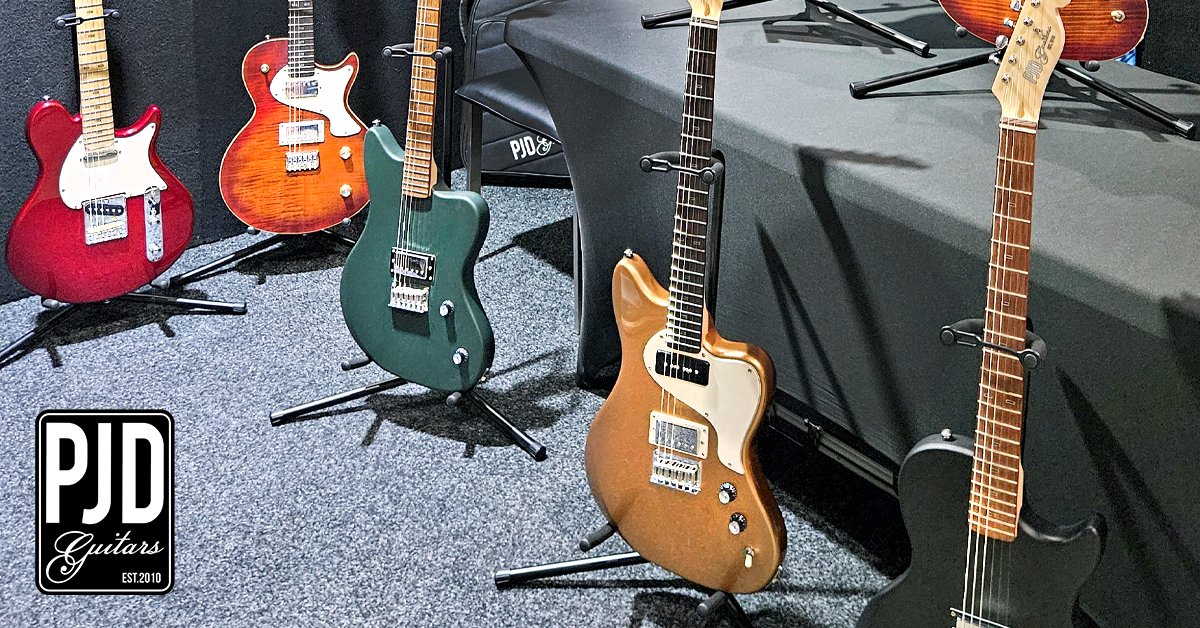
The guitars we brought to the Sydney Guitar Show were from PJD’s Origin Standard Series. Four shapes, Carey, St John, York and Woodford, designed in the UK, built in Indonesia to PJD’s own specifications and tolerances. The brief from Dovey was clear: bring the feel, balance and character of a PJD instrument to a wider audience without losing what makes it special.

They aren’t substitutes for our Custom Shop guitars. They’re simply PJD instruments made more accessible, considered and built with intent.” — PJD Guitars

The Origin Series delivers boutique electric guitar tone, solid hardware and premium finishes. Built for gigging musicians, recording artists and players who demand professional performance and reliability without the Custom Shop wait time or price point.

Best in Show @ Sydney Guitar Show 2026

Popular YouTube presenter Gabor Josika from SuperFunAwesomeHappyTime Pedal Show hosted the Sydney Guitar Show’s Australian answer to NAMM’s Best in Show on the main stage on Sunday. The panel, which included Tash Wolf and Josh Owen, discussed their standout gear from the weekend.

Gabor chose the PJD Guitars Origin Series Apprentice as his pick for the show. For a brand making its first appearance in Australia, on a floor packed with established names, that recognition means something massive.

A Note on the Australian Debut

PJD founder Leigh Dovey had planned to make the trip to Sydney for the launch in person. Unfortunately the outbreak of conflict in Iran made that impossible at the last minute. A crate of guitars made the journey regardless, and the instruments did the talking on their own terms. We’re looking forward to welcoming Leigh to Australia when the time is right.

PJD @ Paytons

PJD Guitars felt like a natural fit for Paytons for a number of reasons. First and foremost, the instruments themselves ticked every box. Beautifully made guitars offering the Australian market something genuinely fresh. As a fifth-generation, family-owned business, we’re selective about the brands we represent. They need to align with our values and be products we can proudly stand behind.

Leigh’s story also resonated strongly with us. The name PJD is a tribute to his late father, and each model is named after a person or place meaningful to him. It makes the brand deeply personal, and that sense of care and intention is reflected in every guitar that carries the PJD name on its headstock. For us, it made the decision to work together an easy one!

Coming soon to Australian Retailers

The PJD Origin Series is now coming to independent music retailers across Australia. Dealer appointments and availability details will be announced in the coming months. If you’re a retailer interested in stocking PJD Guitars, please get in touch with us to discuss the range.

Attendees of Sydney Guitar Show got first look, the rest of the country is up next!

Old Favorite, New Arrival: Admira and PJD Guitars at the Sydney Guitar Show

Sydney, NSW — March 7–8, 2026Paytons is bringing together two incredible guitar lineups at the inaugural Sydney Guitar Show, offering something for every kind of player: the trusted, timeless craftsmanship of Admira Guitars and the Australian debut of the bold, British-designed PJD Guitars.


Admira Guitars: Decades of Spanish Heritage

At Stands 65–66 in the Acoustic Hall, Admira Guitars showcases why it has been a go-to brand for Australian players for decades. Based in the scenic coastal town of Zarautz, northern Spain, Admira has been making guitars since 1968. Their range offers guitars crafted to inspire both aspiring and experienced players performing flamenco, classical, or contemporary acoustic styles. The full range along with new models and rare one-off guitars will be on display, giving players a chance to experience the full range firsthand.

PJD Guitars: The British Brand Touches Down in Australia

On Stand 15 in the Main Hall, Paytons will introduce Australian players to PJD Guitars with the national debut of the new Origin Series for the very first time. Founded in the UK in 2010 by Leigh Dovey, PJD has earned a reputation for combining striking design, solid build quality, and versatile performance.
The new Origin Series, designed in the UK and crafted in Indonesia, brings PJD’s signature feel and tone to an accessible price point. Perfect for indie, rock, blues, and beyond, these electrics are ready to plug in, play, and impress. Attendees will be among the first in Australia to try them, compare models, and talk directly with the Paytons team about what makes PJD unique.

Hands on at the Sydney Guitar Show

The Sydney Guitar Show 2026, running Saturday 7–Sunday 8 March at Sydney Showgrounds, Olympic Park, celebrates guitar culture with hundreds of brands, live performances, workshops, and interactive experiences.
As part of one of Australia’s most anticipated gear events, Paytons invites guitarists, music industry professionals, and media to experience the Admira range and the PJD Origin Series. It’s a rare opportunity to play, compare and discover what these guitars can do in person, all under one roof!

For tickets to Sydney Guitar Show 2026 – click here

Browse Guitars:

Read more about the Sydney Guitar Show via the official media partners here:

Good Things Come In Small Packages

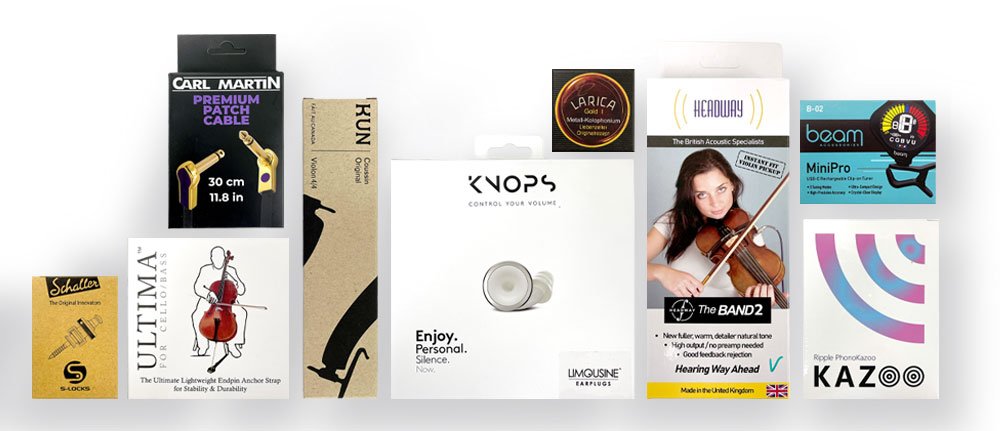
image of products as shapes acting as a key to what they are

Good things really do come in small packages, especially when it comes to the tools musicians rely on every day. Some of the most essential pieces of gear do not arrive in big boxes or demand much space in your case, but they quietly do a lot of heavy lifting. From compact tuners and pickups to humble accessories that protect, connect, or fine-tune your instrument, these smaller products often have the biggest impact on playability, reliability, and confidence. They are the items you reach for without thinking, the ones that solve problems before they become distractions, and the additions that complete a working musician’s arsenal. At Paytons, this carefully chosen cross section of compact gear proves that you do not need more bulk to get better results, just smart, well-designed tools that earn their place every time you play.

1. Schaller S-Locks
Revolutionary update on original StrapLock. Schaller S-Locks feature one-piece hardened steel strap buttons (no rattling), extended screw length for thicker straps, and an elegant 3-point Lock-Wheel system.

2. Carl Martin Patch Cable
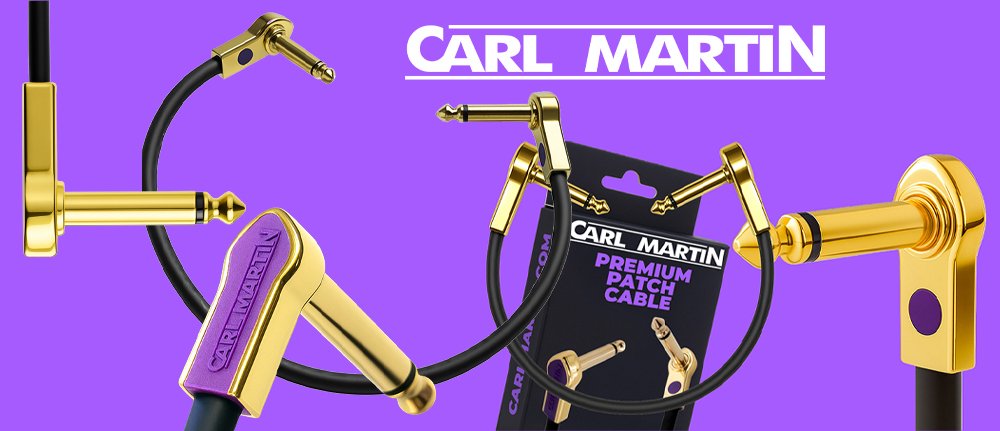
The Carl Martin Gold-Plated Premium Flat Patch Cable is engineered to deliver premium performance for compact pedalboards. Its ultra-flat design and low-profile angled plugs maximise pedalboard density, while gold-plated connectors and high-performance shielding ensure pristine, noise-free signal transfer. A pro-ready flat patch cable, it reflects the renowned quality of the Danish boutique pedal maker.

3. Ultima Cello Stop
Keep your cello stable with the Ultima Cello Endpin Stop. The anti-skid rubber base prevents slipping, while the adjustable strap (40–81 cm) with Velcro extender fits all player heights and chair legs up to 9.5 cm. Lightweight and portable, it’s perfect for lessons, rehearsals, or gigs. Durable, stylish, and easy to carry, this cello accessory ensures confidence and stability every time you play.

4. Kun Rest
Kun “Original” Violin Shoulder Rest. The practical and uncomplicated design, with its three way adjustment, has made the “Kun Original” a very popular rest throughout the world. Tests have shown it to least affect the violin’s natural sustain and tone.

5. Larica Rosin
Larica Gold Grade I Rosin. Radiant tone, balanced reaction of the instrument, high tolerance for humidity and temperature variations, reduced squeaks, low dust.

6. Limousine Knops Earplugs
Limousine Knops Earplugs are innovative, analogue ear protection made in the Netherlands, featuring a patented “volume-dial” design with four acoustically tuned settings (0 dB, ~10 dB, ~20 dB, ~30 dB) for real-time, battery-free control. Soft silicone tips and a compact carry case offer comfort and portability for concerts, travel, work, and more.
Praised for preserving natural sound quality while shielding hearing, Knops sets a new standard in high-fidelity non-electronic ear protection

7. Headway The Band 2
Instant fit and easily transferable violin pickup with no instrument modification or battery required. Warm, natural tone and smooth response via a standard jack lead.

8. Beam Mini Pro
Compact, lightweight, and ultra-precise, the MiniPro Clip-on tuner by Beam Accessories delivers professional tuning accuracy with a bright, high-contrast display and USB-C rechargeable battery. Its dual 360° swivels and 125° hinge ensure perfect visibility from any angle. With five dedicated tuning modes and simple intuitive operation, the MiniPro delivers fast, accurate results you can depend on.

9. Ripple Phono Kazoo
The Ripple PhonoKazoo is a high-quality ABS kazoo that brings modern design to a century-old instrument, offering durability, a bright tone, and a fresh contemporary look. Measuring 10.8 cm × 3 cm, it comes complete with a lanyard, amplifier bell, and five replacement membranes for long-term use. Each Ripple PhonoKazoo is packaged in a colour gift box.


Carl Martin Gold-Plated Flat Patch Cables

Premium Signal Integrity for Professional Pedalboards

A well-designed pedalboard is not just about the pedals themselves. The cables that connect them play a critical role in tone, reliability, and layout efficiency. The Carl Martin Gold-Plated Premium Flat Patch Cable is engineered specifically for professional pedalboard environments where space is tight and signal quality cannot be compromised.

Designed by renowned Danish boutique pedal maker Carl Martin, this flat patch cable combines compact form factor, premium materials, and robust shielding to deliver clean, noise-free performance in both live and studio settings.


Built for High-Density Pedalboards

Modern pedalboards often involve tightly packed pedals, multi-row layouts, or tiered configurations. Standard round cables with bulky plugs can waste valuable space and force compromises in pedal placement.

The Carl Martin Flat Patch Cable features an ultra-flat cable geometry paired with low-profile right-angle plugs on both ends. This design allows pedals to be placed closer together while maintaining neat cable runs and reducing strain on jacks.

The varying lengths are particularly useful when connecting pedals with slightly wider spacing, routing between rows, or linking effects across a larger board without excess slack.


Clean, Stable Signal Transfer

Signal integrity is the foundation of a great pedalboard. Every connection introduces the potential for signal loss, noise, or interference if the cable quality is insufficient.

Carl Martin addresses this with gold-plated connectors that resist corrosion and provide consistent, high-conductivity contact over time. This ensures a stable signal path even with frequent setup changes, transport, and live use.

Inside the cable, a premium conductor made from 20 × 0.12 mm copper strands delivers professional-grade audio fidelity, preserving dynamics, clarity, and frequency response across the entire signal chain.


Effective Shielding for Noise-Free Performance

Pedalboards operate in electrically noisy environments. Power supplies, lighting rigs, and digital pedals can all introduce interference if cables are poorly shielded.

The Carl Martin Flat Patch Cable uses heavy-duty shielding consisting of 48 × 0.10 mm strands. This construction provides effective protection against unwanted noise and electromagnetic interference, helping maintain a clean signal whether you are recording in the studio or performing on stage.


Designed for Real-World Professional Use

These patch cables are not generic accessories. They are professional-grade tools designed to integrate seamlessly into demanding setups.

They are suitable for:

  • Compact and high-density pedalboards

  • Multi-tier and rack-based systems

  • Guitar and bass rigs requiring reliable, low-noise connections

  • Live performance and studio environments

The flat design also improves cable management, keeping boards tidy and making troubleshooting easier when changes are required.


Available Lengths for Any Setup

While the 30 cm version is ideal for slightly wider spacing and multi-row boards, the Carl Martin Flat Patch Cable range includes multiple lengths to suit different layouts:

  • 15 cm for side-by-side pedal connections

  • 30 cm for flexible routing across a board

  • 60 cm for larger pedalboards and complex signal paths

This allows players to build a consistent, professional wiring system without mixing mismatched cables.


Key Features at a Glance

  • Flat, space-saving cable design

  • Compact, low-profile right-angle jack plugs

  • Gold-plated connectors for clean, stable signal transfer

  • Premium copper conductor: 20 × 0.12 mm strands

  • Heavy-duty shielding: 48 × 0.10 mm strands

  • Ideal for pedalboards, racks, and complex setups


Specifications

  • Connector type: 1/4″ TS (mono), right-angle, low-profile

  • Contact plating: Gold-plated

  • Conductor: 20 × 0.12 mm copper strands

  • Shielding: 48 × 0.10 mm strands

  • Cable geometry: Flat

  • Orientation: Right-angle to right-angle

  • Length options: 15 cm / 30 cm / 60 cm


A Professional Patch Cable from a Trusted Pedal Maker

Carl Martin is known globally for building boutique pedals with uncompromising attention to sound and reliability. That same philosophy carries through to their patch cable range.

The Gold-Plated Premium Flat Patch Cable is a small but critical upgrade for players who want maximum pedalboard efficiency, clean signal transfer, and long-term durability. For serious musicians, it is the kind of component that quietly improves everything downstream.

Double Bass Body Types Explained

Understanding Double Bass Body Types: Violin Cornered, Gamba, Busetto, Flat Back and Round Back Explained

Choosing the right double bass is easier when you understand how body shapes, backs and shoulders influence comfort and response. This comprehensive guide explains the main double bass body types that players encounter in orchestras, schools and studios. It also shows how these features relate to Enrico double bass and Gliga double bass models available to Australian students and advancing players.

Main double bass body outlines

Violin cornered outline

The violin cornered double bass has outward corners similar to violin, viola and cello. Players appreciate the clear reference points for handling and protection at the edges. The outline itself does not predetermine tone. Sound is more strongly shaped by the wood, arching, air volume and setup, but the classic look suits both orchestral and jazz contexts.

Gamba shaped outline

The gamba shape removes the pronounced violin corners and uses a straighter, elegant silhouette. Many gamba shaped basses have gently sloped shoulders that some players find comfortable when shifting into higher positions. As with all outlines, tone depends on the whole build rather than the presence or absence of corners.

Busetto outline

The busetto outline softens or omits lower corners but retains clear C bouts for bow clearance. The lower bout can feel sleek against the torso, which some players prefer during long rehearsals. Busetto is a historical style that modern workshops still reproduce for its aesthetics and ergonomics.

Back styles: flat back versus round back

Flat back double bass

A flat back uses internal bracing to support a relatively flat plate. Many players describe quick response and a strong fundamental. As a general care note, any flat plate can react to seasonal humidity, so a stable setup and regular checks are recommended for best playability.

Round back double bass

A round or carved back is arched like a cello. The curve contributes to structural stability and a different resonance pattern. Players often report a broad, projecting tone with complex overtones. Real results vary with carving, thickness, air volume and the quality of the setup.

Shoulder geometry and access to higher positions

Shoulders that are more sloped can feel easier when shifting into thumb position, which helps in solo passages and higher orchestral lines. Squarer shoulders can give a different body feel and sometimes a touch more internal air volume. Try instruments seated and standing to check how the neck heel meets the hand during high position work.

Sizes and mensur for fit

Most adult players use a 3/4 size double bass. Typical vibrating string length, often called mensur, for many modern 3/4 instruments sits around 103 to 106 centimeters. Makers also provide 7/8, 5/8, 1/2 and smaller sizes for younger students. Mensur and overall setup are more reliable fit indicators than the fraction label alone. Always measure on the specific instrument.

Traditional regional styling terms

Shops and luthiers sometimes describe instruments as German school, French school, Bohemian or Tyrolean. These labels refer to historical styling and construction traditions such as shoulder shapes, corners and arching. They are useful descriptors for look and feel. They do not guarantee a specific tone on their own.

How these features map to Enrico and Gliga

  • Enrico student and step up models often feature violin cornered or gamba styled outlines in laminated and solid top builds that suit school programs and advancing study. Outfit with either a German bow or a French bow so teachers can match classroom preferences.
  • Gliga workshop double bass instruments from Romania are known for traditional violin cornered styling with hand carved spruce tops. Series models include flat back construction options valued by many orchestral and jazz players for reliability and response.


How to choose a body type for your music

Orchestra and advanced study

Look for stable projection, even response across registers and comfortable access into thumb position. Sloped shoulders can help some players. Either violin cornered or gamba shaped outlines can work when the setup is refined.

Jazz, contemporary and amplified work

Quick response and a focused fundamental are useful. Many players appreciate the feel of flat back builds in a variety of rooms. If you amplify often, prioritise ergonomics and feedback control over outline aesthetics.

Schools and first instruments

Durability, stable tuning and a dependable setup are top priorities. Laminated bodies with a well cut bridge and quality fittings are practical for daily handling. Match the bow style to the teacher’s method, then choose the body outline that fits the student’s posture.

Care and setup considerations

  • Use a properly cut bridge and nut to support clear articulation and comfortable action.
  • Check soundpost position during seasonal changes to maintain even response.
  • Protect edges and corners with mindful case handling, especially on violin cornered models.
  • Work with a qualified luthier for adjustments, string selection and humidity advice.

FAQ

Do corners change the sound
Corners influence handling and protection first. Tone is shaped more by arching, wood thickness, air volume, back style, setup and strings.

What size double bass is standard for adults
Most adults use a 3/4 size with a common mensur around 103 to 106 centimeters. Always measure the instrument you plan to buy.

Flat back or round back, which is better
Both can be excellent. Many players hear quick response and strong fundamental from flat backs, while round backs can add a broad, complex character. Choose by sound, comfort and the venues where you play.

Where do Enrico and Gliga fit in these categories
Enrico offers student and step up double bass models in violin cornered and gamba styled outlines with laminated and solid top options. Gliga builds traditional violin cornered workshop instruments with carved tops and flat back options, suitable for study and performance.

The Ultimate Guide to Choosing the Perfect Pirastro Violin Strings

Choosing the right strings is the fastest way to transform the voice of your violin. This guide dives deep into Pirastro’s history, how the strings are made, the full violin range by core and material, and a clear buyer’s framework so you can match a Pirastro set to your instrument, repertoire and playing style.

A Short History of Pirastro

Pirastro has crafted strings in Germany since 1798, earning a global reputation for beautiful tone and reliability. Today the company designs and manufactures violin strings across gut, synthetic and steel families, all handmade in Germany.

How Pirastro Violin Strings Are Made

  • Handmade gut craftsmanship: Traditional sheep gut cores are manufactured, then finely wound and polished by hand for a warm, complex response and easy articulation.
  • Modern synthetic cores: Pirastro co-developed an advanced synthetic core material exclusively for its strings to deliver rich color, quick response and tuning stability.
  • Steel designs: From solid and rope steel cores to special E-strings, Pirastro’s steel offerings emphasize clarity, projection and durability with very fast response.

The Pirastro Violin Range at a Glance

Pirastro organizes violin strings by core type. Use the profiles below to quickly shortlist sets that fit your sound goals.

Gut Core: Tone Rich and Alive

  • Oliv: Noble, brilliant tone with rich fundamental and colorful projection. Ideal for soloistic gut presence with complexity.
  • Eudoxa: Traditional gut string, warm and rounded with low tension and easy response. Classic orchestral and chamber choice for depth and warmth.
  • Passione / Passione Solo: Modern gut feel with improved stability and response. Ideal if you love gut character yet want more focus and reliability.
  • Gold: Bright gut sound with easy playability, paired with a popular steel E. Great value within gut.
  • Chorda: Baroque-style gut for period setups.

Synthetic Core: Power, Stability and Color

  • Perpetual: Immediate clarity, strong volume, brilliant yet warm core, very short play-in. Excels for projection and wide dynamic range.
  • Evah Pirazzi: Modern, soloistic synthetic with intense presence and fast response. Bold sound and bite.
  • Evah Pirazzi Gold: Elegant, clear golden tone with strong projection and very short break-in. Smooth string-to-string balance.
  • Evah Pirazzi Neo: Powerful and centered with a luminous quality, excellent feel under the left hand and confident projection.
  • Obligato: Warm, complex synthetic voice with quick response, ideal for dark, lyrical setups.
  • Violino: Very warm, smooth and round sound, low tension and easy response. Comfortable for developing players and older instruments.
  • Tonica: Balanced, versatile synthetic set with quick tuning and clean articulation. Reliable all-rounder.
  • Wondertone Solo: Focused, direct and brilliant with outstanding response.
  • Synoxa / Aricore: Clear and brilliant (Synoxa nylon core) or darker, warm timbre (Aricore polyester core).
  • Eudoxa-Aricore: A darker A option to pair with Aricore.

Steel Core: Clarity, Durability and Snap

  • Chromcor: Single-filament steel with chrome winding. Clear and brilliant, big volume, very long-lasting and easy response.
  • Piranito: Bright sound with very easy response. Popular for students due to stability and immediate tuning.
  • Flexocor-Permanent: Rope steel core with warm, round sound, clear overtone spectrum, great projection and outstanding response.
  • Eudoxa-Chromcor (A): Steel A that offers a warmer sound than a standard Chromcor A, long-lasting with quick response.
  • E-strings: Options include No.1 for brilliant yet sweet tone and anti-whistle response, plus premium E options to fine-tune focus and feel.

Buyer’s Guide: Match a Pirastro Set to Your Violin

Use the decision points below to narrow your choice, then trial one full set before experimenting with E-string or gauge variations.

1. What Tone Does Your Violin Need

  • Brighter, more projecting voice: Perpetual or Evah Pirazzi, or Evah Pirazzi Neo for power with a centered core.
  • Warmer, rounder, nuanced color: Obligato, Evah Pirazzi Gold, Violino. For classic gut warmth: Eudoxa or Oliv.

2. How Much Stability Do You Need

  • Rapid play-in and solid tuning: synthetic or steel sets such as Perpetual, Evah Pirazzi Gold, Tonica, Chromcor or Piranito.
  • Traditional gut behavior: Eudoxa, Oliv, Passione.

3. Feel Under the Left Hand

  • Lower tension and pliable feel: Eudoxa or Violino.
  • Firm, focused resistance: Perpetual or Evah Pirazzi.

4. Playing Context

  • Solo and concerto: Perpetual, Evah Pirazzi, Evah Pirazzi Gold.
  • Chamber and orchestral: Obligato, Eudoxa, Aricore.
  • Traditional and folk: Chromcor or Flexocor-Permanent.

5. E-String Fine-Tuning

If the top end feels too bright or prone to whistle, try No.1 for a brilliant yet sweet tone. Premium E options adjust focus and feel.

6. Sizing and Gauges

Many Pirastro sets come in fractional sizes and multiple gauges to match tension to your violin and technique. Use datasheets or Stringfinder to compare options.

Pro Setup Tips for Best Results

  • Change one string at a time and check the bridge remains upright during tuning.
  • Allow a short play-in. Synthetic and steel sets stabilize quickly; gut takes longer.
  • Keep strings clean and dry after playing to extend life.


Find the full Pirastro range: paytons.com.au/brand-product/pirastro/


FAQ

Which Pirastro violin strings last the longest?

Steel sets like Chromcor and Piranito emphasize durability, while modern synthetics like Perpetual and Evah Pirazzi Gold are designed for quick stabilization. Actual life depends on practice hours, sweat chemistry and care.

What is the difference between Evah Pirazzi and Evah Pirazzi Gold?

Evah Pirazzi delivers a powerful, direct, soloistic sound. Evah Pirazzi Gold keeps strong projection but adds an elegant, clear golden color and very short break-in.

Is Evah Pirazzi Neo just a brighter version?

Evah Pirazzi Neo balances power with a centered, noble, and luminous core with excellent feel under the left hand. It is tuned for projection with refined color.

I want the classic gut sound. Where should I start?

Try Eudoxa for warm, rounded tone at low tension, or Oliv for a more brilliant, colorful gut presence. Passione offers modern stability with gut character.

Can I mix Pirastro strings from different sets?

Yes. Many players pair an E-string such as No.1 or a premium E to fine-tune brightness and response. Keep tensions compatible and change one string at a time.

How do I choose tension and gauge?

Start with medium for most violins. Lighter tension gives more pliability and warmth, heavier gives extra resistance and focus. Gut offers widest gauge options. Consult datasheets for guidance.

Do Pirastro strings come in smaller sizes for students?

Yes, several sets offer fractional sizes. Check the product page for availability.


Professional Setups: Why are they important?

The term “set-up” is often misunderstood within the string instrument industry. A true professional setup, performed by a qualified luthier, is a highly specialised process that requires years of training, experience, and precision craftsmanship.

Every violin, viola, cello, or double bass is unique. Differences in wood species, density, weight, grain orientation, thickness, angles, and tolerances mean that no two instruments respond the same way. A professional luthier setup must be customised for each individual instrument to optimise both sound quality and playability.

This is particularly critical for student violins and beginner instruments, where a poor setup can hinder progress, cause physical discomfort, and discourage long-term musical development. A correctly adjusted instrument gives young players the best possible foundation for success and enjoyment.

Beyond the musical advantages, a professional instrument setup also provides clear financial and reputational benefits for retailers and schools. A properly executed violin setup reduces post-sale issues, minimises non-warranty returns, and ensures that each instrument has been tested and played before sale.

Offering professionally prepared instruments positions your business as a trusted, knowledgeable, and reliable source in the eyes of music teachers, schools, parents and students

Paytons offer professional set-ups at affordable prices which address the five key areas of the instrument over a twenty step process.
This includes:

1. Bridge shape, thickness and height.
2. Soundpost diameter, length, angle and placement and grain direction.
3. Peg fit, polish and soap.
4 & 5. Fingerboard projection and nut adjustment.


Paytons have developed specific set-ups for all Enrico, Raggetti, Gliga and J. Francis instruments to deliver a great sounding and playing instrument at the end of the process.

The bridge shape, thickness and height are crucial for the student to be able to play each string individually and clearly.


Marking bridge top curvature.
Opening up the ‘kidneys’, ‘heart’ and bridge ‘crotch’ to increase the liveliness and response of that particular instrument.
Trimming the width and adjusting the shape of the sides.


Trimming the height and adjusting the shape of the top.
Customising the thickness, lateral shape and curvature.
Further minor adjustments to the curvature.
Correct string height from the fingerboard provides both ease of playing and a clear tone.


The soundpost is a vital part of the instrument as it facilitates the transference of sound vibration from the top plate to the bottom and throughout the whole instrument. It must be the correct diameter, the perfect length, and the angle of both ends must match the slope of the belly and back inside the instrument. Using a soundpost setter correctly requires immense skill and countless hours of practice.

Soundpost must be the correct diameter, the perfect length, and the angle of both ends must match the slope of the belly and back inside the instrument.
Soundpost must then be maneuvered into the correct position.
Checking the position of the inserted soundpost.


Pegs, nut and fingerboard, all made from ebony, must be worked on using specialised tools. The 1/30 taper of the violin pegs must match the holes in the peg box exactly and there needs to be adequate clearance behind each peg to clear the wound-on string. Once a perfect fit is achieved the pegs are then cut flush with the outside of the peg-box, polished and then ‘soaped’ to ensure they turn smoothly and grip well.

Reaming the peg holes to match the taper of the pegs.
Filing the nut for correct height and curvature.
Marking the position of the correctly spaced nut grooves.
Cutting the correctly spaced nut grooves.
Checking the fingerboard is the correct shape.
Fitting the strings.


Adjusting the chinrest position and tension.
Greasing and fine-tuning the in-built fine tuners.
Testing by the luthier who was a professional player.


The Ripple PhonoKazoo: Reimagining a Classic Instrument

The kazoo, that simple, buzzing, endlessly fun little instrument, has been bringing joy for over a century. It’s portable, instantly playable, and a staple of any casual musician’s toolkit. But what happens when you blend this classic concept with modern design and thoughtful acoustic principles? You get the Ripple PhonoKazoo!

The Ripple PhonoKazoo is an exciting upgrade that offers durability, a brilliant tone, and a fresh, contemporary aesthetic.

Modern Design, Timeless Fun

Crafted from high-quality ABS, the Ripple PhonoKazoo is built to last. Measuring a compact and perfectly palm-sized , it’s the ultimate instrument for on-the-go music making.

But the innovation truly shines in its unique acoustic structure:

  • The “Ripple Flute Membrane”: The design of the kazoo’s membrane takes inspiration from nature, specifically, the gentle ripples of water. This element is not just visual; it is named the “ripple flute membrane” to imitate the calming sound of natural water and the subtle propagation of sound ripples, giving the instrument a bright, clear, and distinctive tone.

  • Phonograph Amplification: To maximize its sound output, the Ripple PhonoKazoo incorporates an amplifier bell whose structure draws directly from the physical sound amplification principle of the classic phonograph. By adhering to the laws of acoustic conduction, this design achieves a true physical sound amplification effect, leading to the name and concept of the upgraded “ripple phonograph kazoo.” The result is a simple instrument that is surprisingly rich and playable.

Everything You Need to Start Buzzing

The Ripple PhonoKazoo is packaged to be the perfect gift or treat for yourself. Each instrument comes housed in a stylish colour gift box (measuring ) and includes:

  • A lanyard for easy carrying.

  • The unique amplifier bell for enhanced sound.

  • Five replacement membranes to ensure longevity.

And for those who love to match their music to their style, the Ripple PhonoKazoo is available in six distinct colourways!

Why Choose the Ripple PhonoKazoo?

If you’re looking for an instrument that is:

  • Easy-to-learn (anyone can play it immediately!)

  • Durable and long-lasting

  • Acoustically enhanced for a better sound

  • Beautifully designed and modern

…then the Ripple PhonoKazoo is your next must-have gadget. It takes a beloved novelty and turns it into a high-quality, contemporary musical accessory.

Think Pink!!

Forget Black Friday, we’re thinking Pink!
Here is a range of instruments and accessories that will stand out on any stage, rehearsal space, or in transit. Traditionally, the colour pink has been known to evoke feelings of tranquility, compassion, and romance, while brighter pinks can feel youthful, bold, and energetic.
Whatever your pink proclivity, we have you covered!

Products L-R
Violin Mute- Round (Single) USA -Pink SKU 51308P RRP $5.75
Basso Guitar Strap – Synthetic Pink Stars SKU 35031 RRP $31.00
Feadog Irish Whistle Pack-Pink D SKU 65509 RRP $22.50
Basso Guitar Strap-Tresse/Braided Light Pink SKU 35335 RRP $33.50
Basso Guitar Strap – Kids Line Pink SKU 35121 RRP $34.95
Eddy Finn Soprano Uke – Basswood 3S Pink SKU 11450P RRP $109.50
Small Bag-Draw String-Music Notes  SKU 86102 RRP $1.84 $2.30
Basso Guitar Strap – Neon Pink SKU 35127 RRP $34.95
Ball Pen w/Lid-Pink Music Score SKU 86195 RRP $1.00 $1.25
HQ PC Half Moon Violin Case DIGI Pink Adjustable 4/4-1/2 SKU 87321ADJ RRP $360.00
Basso Guitar Strap – Diamond Stage Series Porous Light Pink SKU 35151 RRP $34.95
HQ Microfibre Bow Tube – Violin/Viola/Cello Double – Pink SKU 90004P $179.00
Basso Guitar Strap – Polyester Pop Art Pink Hearts SKU 35130 RRP $32.00
Music Carry Bag-Tall Pink Clef/Stav SKU 86045 $15.20 $19.00
HQ Polycarbonate Cello Case DIGI Pink SKU 87229 $795.00

Headway EDB-2 VAP – The “Big Brother” to the EDB-2 H.E. Has Arrived

If you are a professional musician familiar with the industry-standard Headway EDB-2 H.E., you already know it as a formidable tool for acoustic shaping. But what happens when you take that proven Class-A architecture, expand the chassis, and inject the warm, glowing heart of analog technology into the signal path?

You get the Headway EDB-2 VAP (Valve Alchemy Professional).

Headway Music Audio (UK) has released the VAP as the “sophisticated big brother” to the H.E. series. While the H.E. is a master of solid-state precision, the new VAP introduces the one element that digital processors strive to emulate but rarely capture: a genuine 12AX7 Valve (Tube).

Solving the “Piezo Quack” Problem

For the acoustic musician—whether you play double bass, cello, violin, or acoustic guitar—the enemy is often sterile amplification. Piezo pickups are notorious for their “quack”—a harsh, brittle transient response that sounds artificial.

The EDB-2 VAP solves this through “Valve Alchemy.” By blending the internal tube circuit into your signal path, you introduce natural compression and rich harmonic saturation. This rounds off those sharp electronic edges, giving your instrument a three-dimensional, studio-quality analog voice on a live stage.

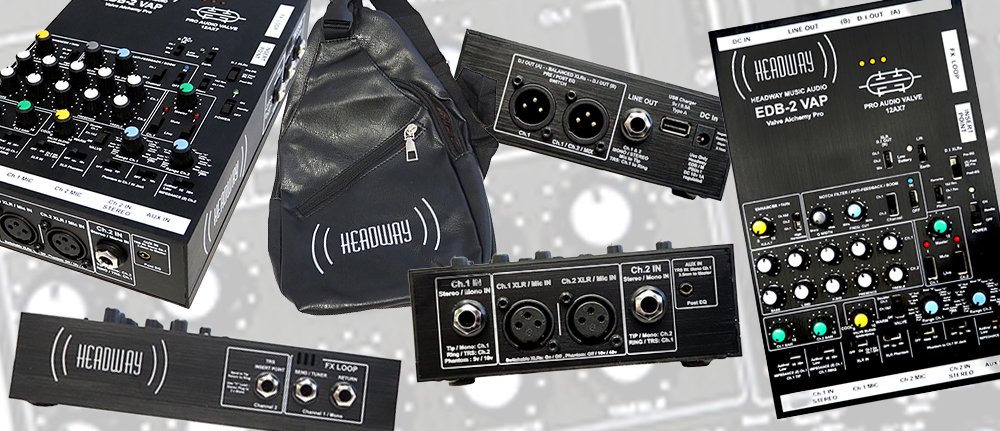
side view of Headway Pro Acoustic Preamp EDB2-VAP

The Ultimate Dual Channel Acoustic Blender

This unit is more than just a preamp; it is a total acoustic command center. The VAP is designed for the complex reality of modern gigging.

  • Running a Mic and Pickup? The VAP handles both with ease, offering refined blending capabilities and 48V phantom power.

  • Using Stereo Pickups? The dedicated inputs allow for stereo splitting and independent processing.

With two independent channels, a new 5-band interactive EQ for each channel, and the ability to act as a DI box, blender, and harmonic enhancer, the VAP bridges the gap between the raw acoustic sound you love and the amplified volume you need.

end view of Headway Pro Acoustic Preamp EDB2-VAP

Technical Deep Dive: Specs & Features

For sound engineers and audiophiles, the EDB-2 VAP represents the new gold standard in acoustic preamplification.

Tube Technology & Harmonic Enhancement

  • 12AX7 Valve Stage: Features a blendable valve circuit to add warmth and eliminate sterility.

  • Dual Harmonic Enhancers: Utilizes Headway’s H.E.A.T (Harmonic Enhanced Analogue Technology) to blend Valve-based “Rich Harmonics” with Analog “High Harmonics.”

  • Class “A” Inputs: Ultra-low noise gain structure designed to separate string definition audibly.

Professional Connectivity (I/O)

  • Dual Channel Mixing: seamlessly blend Mic/Pickup, Pickup/Pickup, or Stereo Pickups.

  • Variable Impedance: Switchable impedance on both channels (up to >20 MOhm) ensures a perfect match for any active or passive pickup system.

  • Universal Phantom Power: Supports 48v, 11v, and 5v, making it compatible with high-end condenser mics (like the DPA 4099) and specialty instrument mics.

  • Pro Audio Outputs: Dual Balanced XLR D.I. Outs with Earth Lift and Pre/Post EQ switching.

  • FX Loops: Includes a Send/Return loop (Ch 1) and a TRS Insert Point (Ch 2) for integrating reverb or modulation pedals.

Surgical Tone Sculpting

  • Independent 5-Band EQ: A massive upgrade from previous models, now offering specific bands (Bass, Low Mid, High Mid, Presence, Treble) for each channel.

  • Advanced Anti-Feedback: Features a tunable Notch Filter with adjustable “Q” to surgically remove feedback loops and wolf tones without killing your tone.

  • High-Pass Filter (Range): A continuous rotary control allows you to dial in the precise sub-sonic cut to remove stage rumble from basses or guitars.

Build & Power

  • Chassis: Road-ready aluminium alloy housing, designed in the UK.

  • Power: Includes Low Noise PSU (required for Valve operation). Supports 2x 9V Lithium battery backup for solid-state functions.

  • Mounting: Integrated threaded bush for direct attachment to microphone stands.

  • Bonus: Built-in USB Charger for powering tablets or phones during performance.

Product Launch: PIRASTRO KorfkerSpring – The World’s Lightest Flexible Violin & Viola Chin Rest

Pirastro has officially unveiled the KorfkerSpring, a revolutionary advancement in ergonomic violin accessories. This premium chin rest system is engineered to solve two critical issues for professional musicians: eliminating upper-body tension and minimizing acoustic damping.

Unlike traditional static fittings, the PIRASTRO KorfkerSpring features a patented flexible spring mechanism. This dynamic design creates a responsive connection between player and instrument, promoting natural movement to actively release neck and shoulder tension for superior playing posture.

Unmatched Ergonomics and 3D Adjustability

For musicians seeking a custom-fit chin rest, the KorfkerSpring offers a fully 3D adjustable architecture. Players can fine-tune the tilt, rotation, and position to match their unique physiology.

To accommodate varying neck lengths and setup preferences, the system includes six interchangeable springs. These allow for precise chin rest height adjustment ranging from 25mm to 50mm (in 5mm increments), making it one of the most versatile high-end violin accessories on the market.

Tone-Optimized Materials for Acoustic Fidelity

Crafted from hardened Swiss maple, the chin plate is designed for sonic excellence. By utilizing high-tech, tone-optimized materials and restricting the total weight to a mere 15 grams, the KorfkerSpring is the world’s lightest chin rest. This ultra-lightweight construction drastically reduces instrument mass dampening, preserving the violin’s natural acoustic fidelity, dynamic range, and sound projection.

Availability The PIRASTRO KorfkerSpring will be available from Paytons in late 2025. View the product page here.

The Music Lovers Gift Guide

The holiday season is here, and after exploring gifts for guitarists (here) and string players (here), it’s time to celebrate every kind of music-maker. Welcome to The Music Lover’s Gift Guide! We’ve flipped through our 5,500+ products to highlight a mix of unique finds and fun suprises for the musical people people in your life.

We cover things like metronomes and tin whistles, to didgeridoos, world drums, ukes, musician busts and more! It’s no holes barred in this guide, sure to dig up some gift gold. Let’s get into it…

For music lovers who enjoy exploring new sounds, world and traditional instruments, this lot here make unforgettable gifts. Didgeridoos and clapsticks offer rich, earthy tones rooted in culture, while pan flutes, ocatinas and kalimbas provide gentle, melodic textures that are easy to learn and soothing to play (lets face it, we need soothing after the Christmas chaos). For rhythm-seekers, shamanic drums and djembes bring that vibrant, hands on energy (knock the Christmas party back a gear).

1. Didgeridoo (Australian) Hand-painted Eucalypt. Approx .9m-1m $350.00 | 2. Didgeridoo (Australian) Hand painted Eucalypt $410.00 | 3. Panpipes Bamboo Roumaines Curved 8 Note C (C-C) $119.00 | 4. Shamanic Drum – 20in x 6in Ply Shell w/Leather Skin $399.00 | 5. Djembe 10in x 17in (H) Rope Tuned $325.00 | 6. Djembe 12in. X 21in. (H) Rod Tuned-Black $480.00 | 7. Kalimba Thumb Piano- 17 Keys $110.00 | 8. Kalimba Thumb Piano- 8 Keys $79.00 | 9. Ocarina By Schwarz-Clay F $81.00 | 10. Ocarina By Schwarz-Clay G $77.00 | 11. Clap Sticks – Rounded Stick. Traditional Artwork. Approx 21cm $72.00 | 12. Clapstix – Flat. Dot Art – Aboriginal 22cm $72.00


Compact instruments with BIG personality, this selection ticks the box. A 6-string ukulele delivers a fuller, richer sound, while travel ukes and cigar box ukes are equal measures of portability and charm. Here’s something left of field: the Baby Harp. Elegant and sweet, fun little instrument to start your journey into the world of harps or to simply noodle around with. These are the tip of the iceberg, Paytons stock a full range of ukuleles and harps. Explore the full ranges here and here, or check out the highlights directly below!

1. Eddy Finn 6-String Tenor Uke EF-G6T $195.00 | 2. Eddy Finn Concert Uke – Travel-Uke TRVC $135.80 | 3. Eddy Finn Concert Uke – Spruce Cigar Box Uke $199.00 | 4. Baby Harp – 12 String Carved w/Bag $345.00


Simple, melodic and endlessly approachable. Recorders and Tin Whistles make fantastic gifts and not just because they fit comfortably in a stocking! Their clear, bright tones lend themselves to folk tunes, early music and casual playing. Affordable, joyful and easy to pick up, that gives them the big red and white Christmas tick of approval.

1. Linley Plastic Recorder-Tenor $185.00 | 2. Linley Plastic Recorder-Sopranino $19.95 | 3. Clarke Original Penny Whistle Black D $49.50 | 4. Generation Flageolet-Nickel G $20.50 and Generation Flageolet-Lacquer Bb $22.95 | 5. Feadog Irish Whistles $Various


Charming décor for desks or music rooms, and tools to stay in tune! Paytons stock a vast range of busts from 11cm right up to 40cm and metronomes of every description which you can explore here and here, or simple check out our picks below!

1. Limousine Adjustable Earplugs Knops Smooth $135.00 | 2. Linley Mechanical Metronome Pyramid with Bell $74.95 | 3. Linley Mechanical Metronome Classic with Bell $56.95 | 3. Beam Accessories MiniPro Rechargable Clip-on Tuner B-02 $39.95| 5. Bust 22cm-Crushed Marble Verdi and Beethoven $137.00 | 6. Beam Accessories Clip-on Metro/Tuner-Rechargeable B-01 $32.20


The Guitarist Christmas Gift Guide 2025

This Guitar Buyer’s Guide brings together trusted essentials and clever upgrades that’ll make any guitarists holidays … or help you justify that well-earned Christmas treat for yourself. From stocking-stuffer accessories to gifts that’ll headline Christmas morning, we’ve rounded up the gear that players actually get excited about.

Read on for ideas, inspiration, and a few new favourites, then click through to our Where to Buy map to find your local retailer.


Strings – John Pearse and Hannabach

A fresh set of guitar strings is like a new set of tires on a car. Everything suddenly feels faster, smoother, tigher, better! Luckily, unlike car tires, guitar strings bring this level of joy for just a fraction of the price.

  • John Pearse: The Phosphor Bronze deliver a rich, full tone with enhanced harmonics. Made in the USA, if you haven’t tried them before then now is the time. Check out the 11-50 or 12-53
  • Hannabach: A classical guitar best (German made) friend. High precision and well balanced sets offering excellent playing feel and sound. Sets range from $18 to $77 but start with the 500MT or 800MT sets.

Schaller S-Locks

Strap and guitar candy that not only looks good but is top tier German-made quality. The pros use them, the collectors use them, and anyone who doesn’t want to drop their prized possession during a performance uses them also. Conveniently, they come in a schmick little gift box making them perfect for Christmas stockings.
Click to view the range of colours.


Japanese Plectrum Precision – Pickboy

One of the best things about gift buying for a guitarist (or yourself, let’s face it) is the wonderful world of guitar plectrums and the vast array of materials, shapes, colours out there. Grabbing a random assortment of picks is the guitarist equivalent of a tasting paddle of craft beer (brainwave: pair the two for the ulitmate gift). Enough about beer, back to picks. Pickboy have plectrum crafting down to a fine art with materials like classic Nylon and Celluloid, to Polyacetal, Carbon-Nylon, and exotic materials such as Stone and Ebony.
Click here to explore their range. Our shortlist for today is:


Guitar Maintenance

Sometimes (read: all the time) your guitar needs a bit of TLC. It’s the workhorse, it’s the loungeroom feature – either way, i’ll wager it could use a clean, polish and adjustment. Enter, Lizard Spit and Groovetech.


EcoStrap Guitar Straps

EcoStrap is uber popular in the guitar strap world. In addition to being just a great, comfortable, mighty-good looking strap, they also happen to be: Vegan Friendly, 100% recyclable, 100% phthalate free, 100% hydrolysis free. That gets a big green tick in anyones book!


Boutique Effect Pedals – Carl Martin

Hailing from Denmark, Carl Martin nail that clean, purposeful design the Danes are famous for. Engineered to add boutique-style tones the mainstream brands don’t cover (like Plexi-style overdrives, fuzz/vibe combos, vintage tremolo and more), there’s plenty of tasty tone on tap here. There’s a line in here about the fitting nature of a stocking filler being a foot pedal but i can’t figure it out! Anyway, our picks for Christmas are:


Beaming in the Essentials – Beam Accessories

I’ve said it before and i’ll say it again – buying gifts for Guitarists is easy. The amount of gear we need is nearly endless, particularly when somebody else is buying it for us! Beam Accessories is the everyday standard of well-priced, well-made gear that just works. Here are our picks below, or view the full range from Beam Accessories here.

Nylon Niceties – Admira Guitars

Here’s what we meant by a Christmas day headliner. No, it won’t fit in a stocking, and no, it may not even fit under the tree. But sometimes you go big because that’s what the situation calls for, and this? Well, it could very well be one of those times. Admira is a Spanish guitar maker who’s been in the game a long time delivering excellent, soul filled guitars at every price point. See the full range here, but these are todays picks:

  • Admira Alba Pack is a premium student kit including guitar, bag and tuner, $349
  • Admira Paloma is a best-selling, award winning staple with a silky satin finish, $499
  • Admira The A1 is a favourite in the Artesanía Series. Solid top, Spanish heel. $920


And if you’re still stuck for ideas, give us a call or drop us an email. Paytons stock over 5,000 products. The perfect gift is here…somewhere…

To find where to buy our products, visit our Where to Buy locator to find your local Australian retailer.

The String Players Christmas Gift Guide 2025

Finding the perfect gift for an orchestral string player doesn’t have to be a solo performance. No matter the stage in their career as a string player, we’ve handpicked a range of thoughtful, practical, and inspiring gifts for violinists, violists, cellists, and bass players alike. Everyday essentials and special upgrades they’ll treasure, these ideas hit all the right notes this Christmas.

So without further ado, dim the house lights and raise your bows. Let’s start things off with the smallest instrument…


The Violinist

From beginner sets to professional accessories, violinists always appreciate gear that helps them play more comfortably and sound their best. These handpicked products make perfect stocking fillers or meaningful upgrades for any player’s case.

1. HIGH Music Stand for Violin $57.00| 2. Kun Violin Shoulder rest – Charming Flowers $204.00 | 3. Dorfler Violin Bows $310.00 | 4. Kun Violin Shoulder Rest – Peacock Feather $204.00 | 5. HQ Half Moon Digi Pink Adjustable Violin Case 4/4-1/2 $360.00 | 6. Clarendon Gold Violin String Set  $47.00 | 7. HQ PC Half Moon Violin Case Brushed Silver & Black $360.00 | 8. The Band 2 Violin Pickup $525.00 | 9. Larica Violin Rosin $67.00 | 10. Opal Gold Violin String Set $135.00 | 11. Evah Pirazzi Neo Violin String Set $279.00 | 12. Kun Violin Shoulder Rest – Sculptured Waves $204


The Violist

Often the unsung hero of the string family, the violist in your life deserves gear that’s as balanced and expressive as their very own instrument. These thoughtful picks bring comfort, tone, and inspiration to every practice session and performance.

1. HQ Oblong PC Viola Case Brushed Champagne $439.00 | 2. HQ Oblong PC Viola Case Silver & Black $439.00 | 3. Pirastro Evah Pirazzi Gold Viola String Set $358.00 |  4. Clarendon Gold Viola String Set 14inch $86.00 | 5. Melos Viola Rosin Light $32.60 | 6. Melos Viola Rosin Dark $32.60 | 7. Wolf Viola Shoulder Rest Forte Secondo 4/4-3/4  $91.00 | 8. The Band 2 Violia Pickup $585.00


The Cellist

Out of everyone in the pit, cellists know the value of reliable, well-made accessories. At home or on stage, these gift ideas combine practical essentials with a touch of luxury, ideal for players who live and beath their instrument.

1. HQ Polycarbonate Cello Case DIGI Blue $795.00 | 2. HQ Polycarbonate Cello Case DIGI Pink $795.00 | 3. HQ Polycarbonate Cello Case Brushed Silver 1/2 $785.00 | 4. TG Aluminium Cello Bow Cases, assorted colours $97.00 | 5. Dorfler Cello Bow $495.00 | 6. Ultima Cello Endpin Stop Anchor (Purple) or (Black) $49.50 | 7. Box Stand for Cello $289 | 8. Pirastro Perpetual Cello Strings, from $124.00 | 9. Clarendon Gold Cello String Set $79.95 | 10. FPS Gas Lift Cello Chair $299.00


The Bass Player

The foundation of every ensemble, the double bassist needs gear that works as hard as they do. It has to be tough, durable, look slick and function well. These gift ideas fit the bill with any double bass player this festive season.

1. HQ Cobble Pro Grade Double Bass Bag Blue 7/8 $395.00 | 2. HQ Cobble Pro Grade Double Bass Bag Black 3/4 $395.00 | 3. HQ PC Double Bass Case Brushed Silver 3/4 $2,995.00| 4. FPS Gas Lift Double Bass Stool $275.00 | 5. Clarendon Gold Double Bass String Sets $115.00 | 6. Pirastro Evah Pirazzi Double Bass Strings $207.00 | 7. HQ Microfibre Double Bass Bow Tube Blue $195.00 | 8. HQ Microfibre Double Bass Bow Tube Red $195.00 | 9. FPS Heavy Duty Double Bass Stand $94.00


If you’re still stuck for ideas, give us a call or drop us an email. Paytons stock over 5,000 products. The perfect gift is here…somewhere…

To find where to buy our products, visit our Where to Buy locator to find your local Australian retailer.

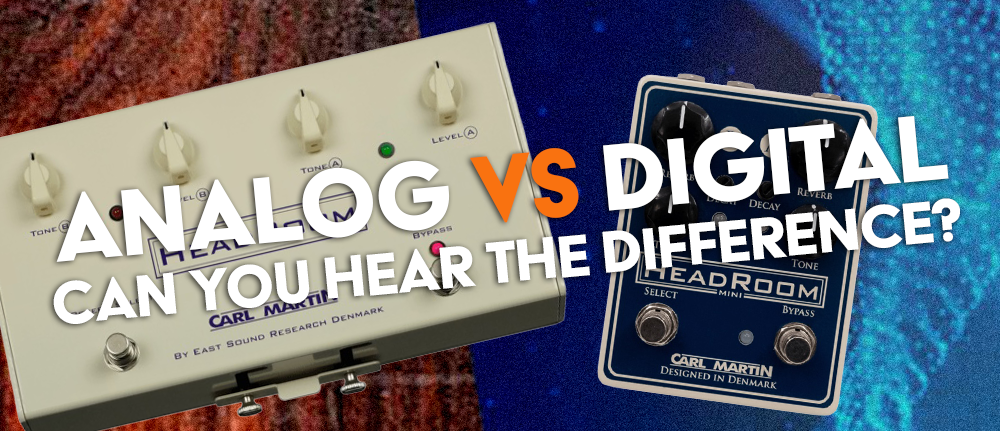
Analog VS Digital: Can You Hear The Difference?

Since 1993, the Danish company Carl Martin has been synonymous with robust, professional-grade guitar effects. They built their reputation on a commitment to precision engineering, great sound and transparent signal paths. At the heart of their reverb legacy stands the original HeadRoom, a true analog spring reverb tank that captures the lush, organic ambience of the 60’s. Now it’s joined by it’s compact digital counterpart aptly named the HeadRoom Mini.

For serious guitarists, the debate isn’t about which reverb pedal is “better,” but which one is right for you and your specific needs. Both embody Carl Martin’s pursuit of engineering excellence, each with its own character and strengths.


Choosing Your Reverb: The Carl Martin HeadRoom and HeadRoom Mini

Choosing between the HeadRoom and HeadRoom Mini means deciding which set of high-end sonic and physical qualities is most important to your setup.


The Analog Choice: Carl Martin HeadRoom

The original HeadRoom is the gold standard for players who demand the pure, physical experience of spring reverb.

  • Pure Analog Tone: This reverb pedal features a real, internal spring tank, providing an authentic 1960s-style reverb sound that many engineers and guitarists consider the true reference.
  • The Inimitable Drip: The HeadRoom excels at delivering that organic, splashy “spring drip” effect that is the hallmark of analog spring reverb. It’s a physical phenomenon that is difficult to perfectly replicate digitally.
  • Dual Channel Simplicity: It offers two identical reverb channels with independent Tone and Level controls, making it ideal for players who want to switch instantly between two distinct, classic spring sounds without menu diving.

The Digital Decision: Carl Martin HeadRoom Mini

The HeadRoom Mini is built for the modern player who needs an authentic sound paired with advanced control and portability.

  • Compact Power: The HeadRoom Mini is a pedal with a small footprint (approx. 124 x 94 mm) and low weight (0.35 kg). This makes it a dream for crowded pedalboards and gigging musicians who prioritize a light load-in.
  • Unprecedented Control: The digital architecture allows for a dedicated Decay knob. This feature offers far greater control over the reverb length than the fixed spring of the original HeadRoom pedal, letting you shape the room, hall, or splash with precision.
  • Flawless Stage Performance: By emulating the spring digitally, the Headroom Mini eliminates the possibility of physical noise. It delivers silent, stable performance even on vibrating stages, making it the more reliable choice for heavy touring.

Head-to-Head: A Comparison of Key Qualities

Both pedals deliver an exceptional, two-channel spring reverb experience. The difference is in the delivery:

Carl Martin HeadRoom (Analog)Carl Martin HeadRoom Mini (Digital)
Tonal VibeThe definitive vintage, physical “drip.”Huge, versatile tones from room to cathedral reverb.
ControlTone & Level (Mix) only.Tone, Level, & Crucial Decay Control.
Best UseStudio recording and controlled environments.Gigging, touring, and pedalboards where space is tight.
Physical SpecLarge enclosure, 1.1 kg.Compact enclosure, 0.35 kg.


Watch here to see  Phillip Czarnecki putting both reverb pedals through their paces, providing an A/B test, and offering his opinion on the benefits of each.


Read all the specs of the HeadRoom and HeadRoom Mini reverb pedals for guitar on the Paytons site below.

Visit the brand site Carlmartin.com here.

Meet the HQ Digi Half Moon Violin Case

Lightweight protection. Smart design. Exclusive to Paytons.

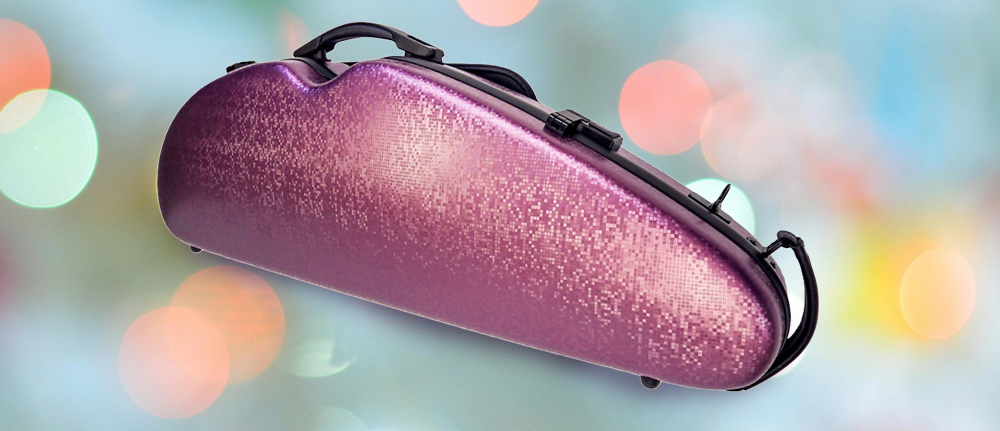
Meet the latest innovation from HQ: the Digi Half Moon Violin Case, created for musicians who demand strength, style, and flexibility.

Crafted from high-quality polycarbonate, this case delivers exceptional durability while weighing just 2.2 kg with the music bag (1.93 kg without). Its adjustable design adapts to fit violins from 4/4 down to 1/2 size, featuring a movable neck support, extendable bow holder, and removable music pouches for total versatility.

Built for real-world use, it includes two bow holders, combination locks, and padded shoulder straps—everything a travelling musician needs for comfort and peace of mind.

The elegant half-moon shape blends form and function, offering modern protection for students, teachers, and professionals alike.

Available exclusively at Paytons, the HQ Digi Half Moon Violin Case sets a new standard in lightweight, adaptable instrument protection.

👉 Discover the difference.
[Explore the HQ Digi Half Moon Violin Case →] here


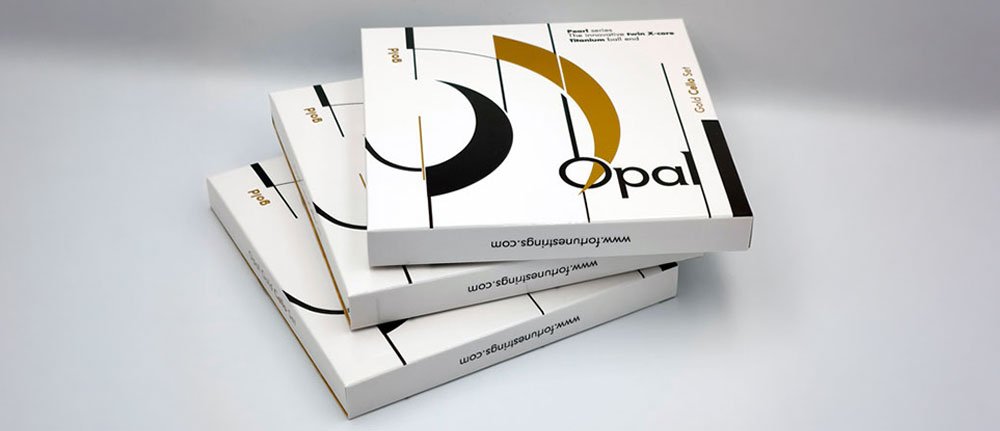
Introducing the New Opal Gold Soloist Cello Strings

Unleash Your Truest Tone

For years, Opal Gold Cello Strings have been cherished by players seeking warmth, depth, and the unmistakable character of a hand-crafted sound. Now, that tonal richness has evolved and been refined specifically for the stage and concert hall.

A New Standard for the Modern Soloist

The Opal Gold Soloist range builds upon the celebrated qualities of the original Opal Gold strings, offering the same lush tonal palette with enhanced projection, brilliance, and response that soloists demand. These strings are designed for those moments when every nuance matters and every note must reach the back row with clarity and conviction.

Each string features a precision-engineered steel core with a stainless steel winding, delivering exceptional stability and durability under the intensity of performance conditions. The result is a sound that sings: powerful yet refined, rich yet free from harshness, empowering the player to explore the full expressive potential of their instrument.

Warmth, Power, and Freedom of Expression

From the first stroke of the bow, Opal Gold Soloist A & D strings reveal an elevated tonal landscape:

  • More power and brilliance, ensuring a commanding presence on stage.

  • Uncompromised warmth and resonance, preserving the signature Opal Gold character.

  • Effortless response and clarity, allowing subtle expressive control even in the most demanding passages.

Whether performing a concerto in a grand hall or bringing a solo line to life in chamber music, these strings provide the dynamic range and tonal flexibility that define a true soloist’s voice.

Crafted for Those Who Seek Perfection

Opal’s commitment to innovation and craftsmanship continues with the Soloist line. Each string undergoes meticulous testing and adjustment to meet the exacting standards of professional performers and luthiers worldwide. The result is a string that not only elevates your sound but also deepens your connection to it.

Experience the Next Evolution in Tone

The Opal Gold Soloist Cello Strings are more than an upgrade; they are an invitation to rediscover your voice. Feel the resonance, explore the color, and let your instrument project with power, confidence, and brilliance.

Play with freedom. Perform with authority.
Unleash your truest tone.

How to Choose the Best Guitar Strap: Basso & EcoStraps

If you’re browsing guitar accessory options and landed on the Basso or EcoStrap range, you’re in for a treat. These Brazilian-made straps bring sleek style, sustainable design, and genuine comfort to every performance. Let’s unpack the collection and help you find the perfect strap for your playing style and values.

Why Choose a Basso or EcoStrap Guitar Strap?

Basso (including the EcoStrap line) has been crafting reliable, visually striking straps since 2001. Their synthetic materials offer durability, great aesthetics, and a commitment to sustainability—making them an ideal choice for eco-conscious musicians who don’t want to compromise on performance or style.

Strap Categories at a Glance

1. EcoStrap – The Original Vegan Strap

This line marks the world’s first eco-friendly guitar strap launched by Basso in 2019. Made from a patented, non-animal laminated synthetic material, the EcoStrap is:

  • 100% phthalate-free
  • 100% hydrolysis-free
  • Fully vegan and recyclable
  • Lightweight and comfortable with a buffalo-print texture that mimics leather

Typical dimensions: 6 cm wide, adjustable from 100–145 cm. Available in Black, Brown, Whiskey, and Crimson.

Why it stands out:

  • Eco-friendly credentials
  • Sleek, minimalist design
  • Excellent for players prioritising ethical materials and straightforward style

2. EcoSoft – Comfort Meets Eco-Consciousness

For those who prioritize padding, the EcoSoft adds 5 mm of foam for extra cushioning:

  • Wider profile: about 7 cm
  • Adjustable from 92–145 cm
  • Same vegan, recyclable synthetic material
  • Designed to reduce shoulder strain on long sessions

Available in Black and Brown.

Ideal for:

  • Gigging instrumentalists
  • Extended practice or recording sessions
  • Players seeking a balance of comfort and sustainability

3. Stage-Ready Collections – Neon, Porous, Glitter, Classic Glitter

These straps add vibrancy and flair to your performance:

  • Neon Stage: bright colours like Orange, Green, Pink, Turquoise, 5 cm wide, adjustable 80–140 cm
  • Porous (Diamond Stage): elegant tones like Black, Light Pink, White, 5 cm wide, adjustable 80–140 cm
  • Glitter Stage: sparkly finishes in Light Gold, Silver, Black, 5 cm wide, adjustable 90–145 cm
  • Classic Glitter: wider 7 cm strap, adjustable 92–145 cm, glitzy shades like Light Gold, Silver, Light Blue

Perfect for:

  • Stage performers
  • Visual flair lovers
  • Musicians wanting added width and impact

4. Tresse – Braided Simplicity

  • Distinctive braided look in sandy brown
  • 5 cm wide and fully adjustable from 85–150 cm
  • Durable synthetic material with reinforced stitching
  • Attractive budget-friendly price

Great for:

  • Acoustic players
  • Those wanting artisanal aesthetics without over-the-top design
  • Budget-conscious shoppers

5. Military Camouflage

  • 7 cm wide, padded with 5 mm foam
  • Adjustable length suitable for most players
  • Reinforced tips and synthetic lining to resist sweat and wear
  • Camouflage pattern for rugged style

Ideal for:

  • Rock or outdoor players
  • Heavy instrument users
  • Those needing durability with style

6. Kids Line

  • 5 cm width; adjustable from 67–118 cm
  • Made from recyclable synthetic materials
  • Available in Black and Pink
  • Budget-friendly for beginners

Ideal for:

  • Junior players
  • Buying for beginners or students
  • Parents wanting an eco-friendly, size-appropriate option

7. Country Vegan – Heritage with Ethics

  • 6 cm width; adjustable 92–145 cm
  • Features graphite-coated metal conchos
  • Made from 100% vegan synthetic, fully recyclable
  • Classic Western styling

Best for:

  • Fans of vintage country designs
  • Performing musicians seeking both looks and sustainability

Quick Comparison Table

CategoryWidthLength (cm)Extra Padding?Features
EcoStrap6 cm100–145NoVegan, recyclable, leather-like
EcoSoft7 cm92–145Yes (5 mm)Extra comfort, eco-conscious
Stage Collections5–7 cm80–145 approx.NoGlittery, bright, eye-catching
Tresse5 cm85–150NoBraided, subtle, crafted design
Military Camouflage7 cm92–145YesRugged, reinforced, sweat-resistant
Kids Line5 cm67–118NoJunior size, eco material, budget-friendly
Country Vegan6 cm92–145NoWestern look, conchos, eco-friendly

Finding the Right Strap for You

  • Comfort: Choose EcoSoft for long sets or heavy instruments; EcoStrap for lightweight, everyday use.
  • Style: Stage, Glitter, Neon, or Country Vegan for eye-catching looks; Tresse for subtle artisanal style.
  • Size Fit: Kids Line for smaller bodies; adult sizes are adjustable for most players.
  • Ethics: EcoStrap, EcoSoft, and most other synthetic Basso straps are vegan and recyclable.


Frequently Asked Questions

What makes Basso Guitar Straps different from other brands?

Basso Guitar Straps, including the EcoStrap line, stand out for their combination of durability, comfort, and eco-conscious materials. Many are made from 100% vegan and recyclable synthetic materials, providing a leather-like feel without harming animals. They also feature adjustable lengths and reinforced ends for secure instrument support.

How do I choose the right Basso Guitar Strap for my guitar or bass?

Consider your instrument, playing style, and comfort needs. EcoSoft straps offer extra padding for long sessions, Stage and Glitter straps provide eye-catching designs for performers, and Kids Line straps are sized specifically for younger players. Check width, length, and material for the best fit.

Are Basso EcoStraps comfortable for long practice or performance sessions?

Yes. EcoStrap and EcoSoft designs focus on comfort. EcoSoft adds 5 mm of foam padding for shoulder support during extended practice or gigs, while the lightweight EcoStrap offers all-day comfort without bulk.

Can I use a Basso Strap for electric and acoustic guitars?

Absolutely. Basso Guitar Straps are designed for both acoustic and electric guitars, as well as bass guitars. Their adjustable lengths and durable synthetic materials ensure a secure and comfortable fit for all guitar types.

Are Basso Guitar Straps vegan and eco-friendly?

Yes. Most Basso straps, including EcoStrap and EcoSoft, are made from 100% vegan and recyclable materials. They are phthalate-free, hydrolysis-resistant, and cruelty-free, making them an ideal choice for environmentally conscious musicians.

What widths and lengths do Basso Guitar Straps come in?

Widths vary from 5 cm for youth or slim designs, up to 7 cm for padded or stage-focused straps. Adult straps are typically adjustable from 92–145 cm, while Kids Line straps adjust from 67–118 cm. Always check the product details to find your ideal size.

Which Basso Strap is best for stage performances?

Stage and Glitter collections, along with Neon and Country Vegan straps, are popular for live performances. They combine eye-catching designs with secure support, making them ideal for guitarists looking to stand out on stage.

How durable are Basso Guitar Straps?

Basso straps are built to last. Their synthetic materials resist wear, sweat, and moisture while reinforced ends prevent slippage or tearing. They’re suitable for heavy daily use and touring musicians.

Where can I buy Basso Guitar Straps in Australia?

Basso Guitar Straps, including EcoStrap, EcoSoft , and Kids Line models, are widely available at leading music retailers across Australia. www.paytons.com.au/where-to-buy

Guide to Choosing the Right Guitar Pedals for Your Sound

If you’re searching for reliable, finely crafted effects that deliver great tone and rugged performance, Carl Martin pedals are a fantastic choice. This blog post dives into the brand’s background, how these pedals are built, the models Payton’s stocks in Australia, ideal signal-chain pairings, and a buyer’s guide to help customers match a pedal to their sonic needs.

Carl Martin Pedal Background + How They Are Made

Carl Martin pedals are handcrafted in Denmark, known for meticulous engineering and thoughtful design. These pedals are assembled with care—from the circuit board up—delivering studio-grade clarity, low noise, and controls that make sense in live settings. The brand’s legacy in pro audio equipment shows in every pedal.

Expect quality internal design, regulated power supplies for headroom, road-worthy enclosures, and musician-friendly layouts. These characteristics give Carl Martin pedals consistent tone and durability—especially appreciated by gigging players.

Overview of Available Models

Tone Tweaker

3-band EQ plus up to 12 dB of transparent boost. Compact and pedalboard-ready, ideal for shaping tone or pushing overdrive zones.

PlexiTone

Dual-channel Plexi-style drive with separate crunch and gain stages, plus a dedicated boost. Captures classic British amp tone and adds versatility.

Single PlexiTone

Simplified high-gain Plexi overdrive in a compact layout, with a DC-DC converter for consistent headroom. Designed in collaboration with a seasoned guitar pro.

PlexiRanger

Two in one: a treble boost paired with Plexi-style gain shaping. Great for adding edge and mid-focus for classic rock tones.

Purple Moon

Combines vintage fuzz and vibe in one box for rich textures—from warbly modulation to thick fuzz.

Panama

British-inspired high-gain distortion with damping control. Tightens bass for clear rock tones in a pedalboard-friendly size. True-bypass switching.

Surf Trem

Simple, classic surf-style tremolo with just depth and speed controls. Compact and vintage-voiced.

Ottawa

Analog envelope filter with adjustable attack and Q. Expressive funky filter tones and a responsive character.

Red Repeat 2016 Edition

Delay or echo variant reissue with vintage-inspired repeats and tonal warmth.

DC Drive

Classic, fat overdrive tone with dynamic response and tone-shaping in a compact pedal.

Quattro Multi-Effects

Analog multi-effect box featuring compression, overdrive, chorus, and tap-tempo delay. Built-in power supply for versatile live or studio use.

Optimal Signal Chain and Pedal Pairings

Here’s a practical sequence and some recommended matchups among the listed models:

Typical signal chain:

Guitar → Tone Tweaker → DC Drive / PlexiTone / Panama → Purple Moon → Ottawa → Surf Trem → Quattro (delay/chorus section) → amp

Pairing Ideas

  • Tone Tweaker → PlexiTone or Single PlexiTone: Use EQ and boost first to tighten gain tone or cut mid or bass frequencies before two distinct drive stages.
  • Tone Tweaker → PlexiRanger: Sculpt mids and push gain; great for focused leads.
  • Dual drive stacking: PlexiTone → DC Drive: Build saturated lead tone—one for crunch, the next for body and grit.
  • Panama → Purple Moon: Add thick distortion then modulate fuzz and vibe—rich, dynamic textures.
  • Purple Moon → Surf Trem: Layer fuzz and modulation for vintage surf psychedelia.
  • Ottawa before FX loops or ambient effects: Expressive envelope filter followed by a chorus/delay effect via Quattro.
  • Quattro as an all-in-one ambient solution: Handy for gigging, offering compression, drive, chorus, and delay in a tidy unit.

Bypass notes: All listed pedals are built for performance. Many use true-bypass to preserve tone. The Tone Tweaker is buffered to preserve signal. Buffering vs true-bypass can be addressed depending on your board layout.

Buyer’s Checklist: Which Carl Martin Pedal Fits Your Needs?

Your GoalRecommended ModelWhy It Fits
Tame tone or boost signalTone TweakerEQ and boost flexibility, pedalboard compactness
Versatile British-inspired drivePlexiTone / Single PlexiToneMultiple gain stages, dynamic response, compact format
Focused midrange, vintage edgePlexiRangerTreble boost and gain shaping in one
Thick fuzz plus modulationPurple MoonVintage fuzz and vibe in a single pedal
Tight high-gain distortion for rockPanamaHigh-gain tone with damping control, true bypass
Classic surf tremolo toneSurf TremSimple controls, compact vintage sound
Funky envelope filter expressionOttawaAnalog filter with adjustable attack and Q
Multi-effects solutionQuattroCompressor, drive, chorus, delay—great for streamlined rigs

FAQ

Which Carl Martin pedal is best for front-end EQ and boost?

Tone Tweaker is designed for tone shaping and boosting. It includes a three-band EQ and delivers up to 12 dB of clean gain.

Can I stack drives with these pedals?

Absolutely. For instance, use PlexiTone into DC Drive for crunchy leads with rich saturation, or combine PlexiRanger with Tone Tweaker for tight, focused gain. Pairing drive pedals lets you sculpt dynamic, multi-layered tones.

What’s special about Purple Moon?

Purple Moon combines fuzz and vibe effects in one, giving you both saturated fuzz and classic modulation textures in a single compact box.

Is the Quattro good for travel or small boards?

Yes, Quattro combines compressor, drive, chorus, and delay into one analog pedal with a built-in power supply—ideal for simplifying rig setups.

Do Carl Martin pedals require special power supplies?

These units use regulated 9 V DC input. Some include internal converters for headroom and tonal stability, so always check power consumption guidelines when building your power chain.


How to Measure Your Dreadnought Guitar to Find the Perfect Case

When buying a hard shell dreadnought guitar case, confirming the correct fit is essential. This guide explains how to measure your dreadnought guitar so you can confidently choose a case. Two options in our range are the Beam Premium Wood Dreadnought Guitar Case and the Beam ABS Dreadnought Guitar Case.

The Beam Premium Wood Dreadnought Guitar Case uses a wood shell construction and is presented with plush lining and sturdy hardware on the product page. The Beam ABS Dreadnought Guitar Case uses an ABS shell construction and is presented with internal plush lining and robust hardware on the product page.

Why Accurate Measurement Matters

A correct fit prevents the guitar from shifting inside the case and avoids stress to the instrument. Too much movement increases the chance of damage in transit. Too-tight a fit may press on binding, the neck or the finish. Measuring carefully ensures you select the best suited case that offers secure, safe storage and transport.

What Measurements You Need

Collect the following measurements before ordering a case:

  • Overall length from the tip of the headstock to the bottom edge of the body
  • Lower bout width (the widest part of the body)
  • Upper bout width (the width nearer the neck)
  • Body depth or thickness at the deepest point
  • Neck width at the nut and/or where the neck meets the body
  • Bridge to endpin distance (useful for internal pad or support placement)

Step-by-Step Measuring Guide

Step 1: Overall Length

Place the guitar on a flat surface. Measure from the farthest point of the headstock (including tuner heads if they extend) down to the bottommost point of the guitar body. Record this as the total length.

Step 2: Lower Bout Width

Measure across the widest part of the body (the lower bout), from one side to the other. Keep the tape measure straight and level for an accurate reading.

Step 3: Upper Bout Width

Measure across the upper bout, where the guitar body meets the neck area. This ensures the case contours will clear this area comfortably.

Step 4: Body Depth

Measure from the front soundboard to the back of the guitar at its deepest point. Check a couple of positions (for example near the bridge and near the waist) and use the largest value for clearance planning.

Step 5: Neck Width

Measure the neck width at the nut and, if possible, where the neck joins the body. This helps confirm the neck pocket in the case will have adequate clearance for tuners, any decorative inlays or a truss rod cover.

Step 6: Bridge to Endpin

Measure the distance from the bridge saddle to the endpin or strap button on the lower bout. This may be important for internal supports and the position of any padding or compartments in the case.

How to Use Your Measurements to Confirm Fit

General guidance when comparing measurements:

  • Allow a small clearance margin around width and depth so the guitar does not bind when placed into the case.
  • Ensure the neck pocket has clearance for headstock shape and tuner buttons.
  • If any measurement exceeds the known internal clearance, the case is likely not suitable.

Paytons Pro Tips

When assessing fit, avoid forcing the instrument into the case. A small amount of space around the guitar prevents stress to the instrument and allows room for internal padding.

  • Measure carefully using a rigid ruler, calipers or measuring tape and write each dimension down.
  • Compare your measurements to the case internal dimensions where available.
  • Consider the differences in shell material when choosing between the Beam Premium Wood and Beam ABS models.

Explore the Beam Guitar Case Range:

View Beam Premium Wood Dreadnought Guitar Case
View Beam ABS Dreadnought Guitar Case
 

Meet the Opal Gold Ambassadors

Opal Strings are Swiss-designed, precision-crafted strings for violin, viola and cello, trusted by students and professional players worldwide. Combining modern innovation with traditional craftsmanship, Opal Strings ensure consistent performance, reliability and exceptional sound quality for every player.

Opal Strings’ Gold Ambassadors are prominent cellists chosen by Opal Strings not for their fame, but for their authenticity and connection to music.


Jeroen Reuling

Jeroen Reuling is a renowned cellist and teacher, widely respected for his artistry and dedication to music. With a deep sense of sound identity, he embodies the expressive integrity that defines great performance. Through his playing and teaching, Jeroen brings depth and authenticity to every phrase, inspiring audiences and students alike with his musical insight and commitment.

Lydia Shelley

British cellist Lydia Shelley is celebrated for her expressive artistry and deep commitment to chamber music. A founding member of the Finzi Quartet and former cellist of the acclaimed Quatuor Voce, she has performed at leading venues worldwide. Today she continues to explore new artistic directions as a soloist, collaborator, festival performer, and recording artist.

Instagram: @lydiashelley

Daniel Hamin Go

South Korean cellist Daniel Hamin Go, praised as “authoritative, poised, and dripping with élan,” is an emerging international talent. A former artist-in-residence at the Queen Elisabeth Music Chapel, he has performed across Europe and North America with renowned collaborators. Daniel’s 2025 season includes festival appearances, concerto engagements, and the recording of his debut album on Linn Records.

Instagram: @danielhamingo

Li-Wei Qin

Chinese-Australian cellist Li-Wei Qin is acclaimed worldwide as a soloist and chamber musician, praised by Gramophone as “a superbly stylish, raptly intuitive performer.” Silver Medalist at the Tchaikovsky Competition and winner of the Naumburg Competition, he has performed with leading orchestras across Europe, Asia, and Australia, while also teaching internationally and recording extensively for Decca and Sony Classical.

Instagram: @celloliwei

Jorge Giménez

Spanish cellist Jorge Giménez is an Artist in Residence at the Queen Elisabeth Music Chapel, studying with Gary Hoffman and Jeroen Reuling. A prizewinner in multiple international competitions, he has performed widely as soloist and festival artist across Europe and the U.S. Jorge continues to build an international reputation, performing on a 1742 Francesco Stradivarius cello.

Instagram: @jorgegimenezcello

Shopping cart0
There are no products in the cart!
Continue shopping
0
PAYTON